








When it comes to woodworking, the choice of a saw blade can significantly impact the quality of the cut, the efficiency of the operation, and the overall cost. As a seasoned solid wood saw blade supplier, I've witnessed firsthand the importance of understanding the differences between thin - kerf and standard - kerf solid wood saw blades. In this blog, I'll delve into these differences to help you make an informed decision for your woodworking projects.
Kerf Definition and Basics
Before we dive into the differences, let's clarify what "kerf" means. The kerf is the width of the slot cut by a saw blade. It is determined by the thickness of the blade's cutting edge and the set of the teeth. A thin - kerf saw blade has a narrower kerf compared to a standard - kerf saw blade.
Cutting Efficiency
One of the most significant differences between thin - kerf and standard - kerf saw blades lies in cutting efficiency. Thin - kerf saw blades require less power to cut through wood. Since they remove less material with each pass, the motor of the saw doesn't have to work as hard. This not only reduces the strain on the saw but also leads to energy savings. For example, in a large - scale woodworking shop where saws are used continuously, the cumulative energy savings over time can be substantial.
On the other hand, standard - kerf saw blades, with their wider cut, are more suitable for heavy - duty cutting tasks. They can handle thicker and denser woods more effectively because the wider kerf provides more space for the chips to escape. This reduces the risk of the blade binding in the wood, which can cause damage to the blade and the workpiece.
Material Waste
Material waste is another crucial factor to consider. Thin - kerf saw blades generate less waste because they remove less wood during the cutting process. This is especially important when working with expensive or rare woods. By using a thin - kerf blade, you can maximize the use of your raw materials, which in turn can reduce costs. For instance, if you're making high - end furniture from exotic hardwoods, minimizing waste can make a significant difference in your bottom line.
Standard - kerf saw blades, however, do result in more material waste. But in some cases, this may not be a major concern. For example, when cutting large pieces of low - cost wood for rough construction work, the extra waste may be acceptable in exchange for the blade's durability and cutting power.
Blade Durability
Durability is closely related to the design and use of the saw blade. Thin - kerf saw blades are generally thinner, which makes them more prone to bending or warping if not used correctly. They are also more likely to experience tooth loss or chipping, especially when cutting through hard or knotty woods. However, if used within their recommended parameters, such as cutting softer woods or making precision cuts, thin - kerf blades can last a long time.
Standard - kerf saw blades are thicker and more robust. They can withstand more abuse and are less likely to deform under pressure. This makes them a better choice for heavy - duty applications and for cutting through tough materials. They also tend to have a longer lifespan when used in demanding work environments.
Cut Quality
The quality of the cut is often a deciding factor for many woodworkers. Thin - kerf saw blades are known for making cleaner, more precise cuts. Their narrow kerf allows for less vibration, which results in smoother edges. This is ideal for projects that require a high level of finish, such as cabinet making or fine woodworking.
Standard - kerf saw blades may not provide as clean a cut as thin - kerf blades, but they can still produce satisfactory results. Their wider kerf can sometimes help to reduce tear - out, especially when cutting across the grain of the wood. However, they may require additional sanding or finishing to achieve a smooth surface.
Applications
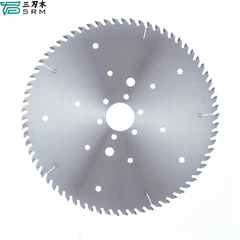
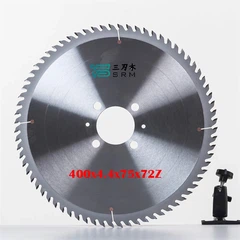
The choice between a thin - kerf and a standard - kerf saw blade also depends on the specific application. Thin - kerf blades are well - suited for tasks that require precision and efficiency, such as cross - cutting, ripping, and mitering. They are commonly used in table saws, miter saws, and band saws for making detailed cuts in furniture, cabinetry, and other fine woodworking projects. You can find suitable thin - kerf saw blades for different machines, like the Saw Blade for Acrylic, which is designed for cutting acrylic materials with high precision.
Standard - kerf saw blades are better for heavy - duty applications, such as cutting thick lumber for construction, framing, or rough carpentry. They are also commonly used in panel sizing operations. The Panel Sizing Saw Blade is a great example of a standard - kerf blade that can handle large - scale panel cutting tasks with ease. Additionally, for sliding table machines, the Saw Blade for Sliding Table Machine is a standard - kerf option that provides stability and power for cutting large pieces of wood.


Cost Considerations
Cost is always a factor in any purchasing decision. Thin - kerf saw blades are generally more expensive than standard - kerf saw blades. This is due to their precision manufacturing and the use of high - quality materials. However, when you consider the energy savings, reduced material waste, and increased cutting efficiency, the long - term cost of using a thin - kerf blade may be lower.
Standard - kerf saw blades are more affordable upfront, which makes them a popular choice for budget - conscious woodworkers. They are also more readily available in a wider range of sizes and tooth configurations.
Making the Right Choice
In conclusion, the choice between a thin - kerf and a standard - kerf solid wood saw blade depends on several factors, including the type of wood you're cutting, the nature of the project, your saw's power, and your budget. If you're working on precision projects with softwoods and want to save on energy and materials, a thin - kerf blade is the way to go. On the other hand, if you're doing heavy - duty work with hardwoods or need a more durable blade, a standard - kerf blade is a better option.
As a solid wood saw blade supplier, I'm here to help you make the right choice for your woodworking needs. Whether you're a professional woodworker or a DIY enthusiast, I can provide you with high - quality saw blades that meet your specific requirements. If you're interested in learning more about our products or would like to discuss your woodworking projects, please feel free to reach out. I'm looking forward to having a detailed discussion with you and assisting you in finding the perfect saw blade for your next project.
References
- Woodworking Magazine, various issues on saw blade technology.
- Machinery's Handbook, covering saw blade design and applications.
- Manufacturer's specifications for thin - kerf and standard - kerf saw blades.


