

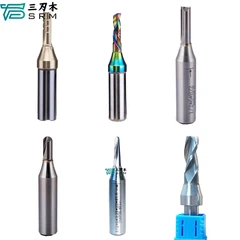
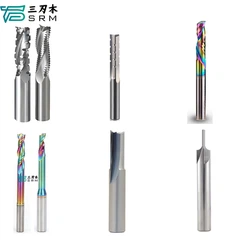

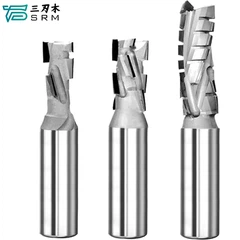
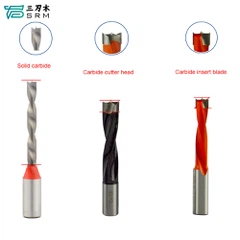
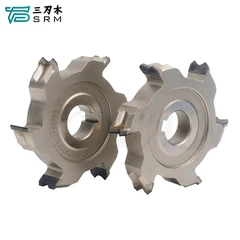
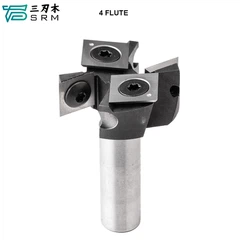

Hey there! As a supplier of Spiral Up Cut Bits, I often get asked about the difference between single-flute and multi-flute bits. So, I thought I'd take a few minutes to break it down for you.
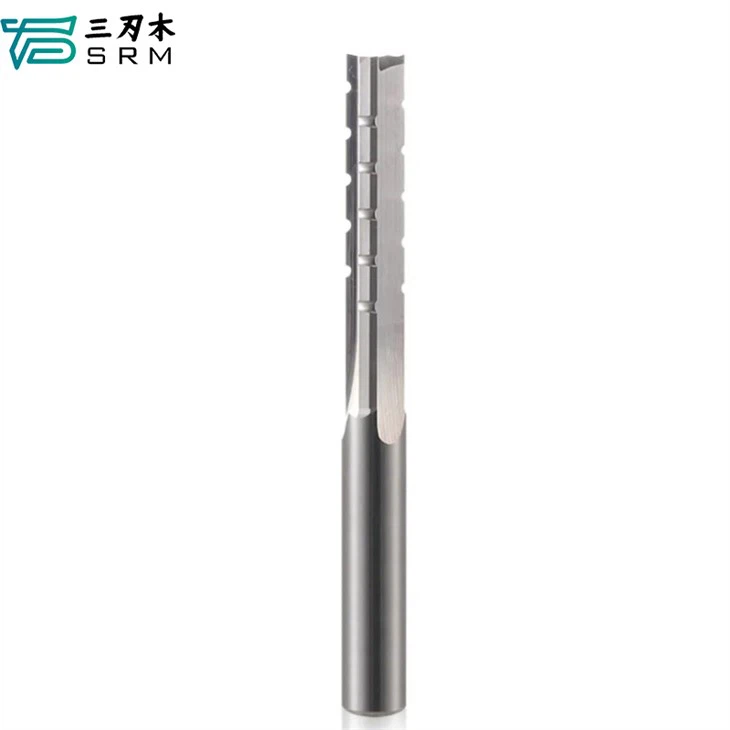
Let's start with single-flute Spiral Up Cut Bits. These bits are known for their simplicity and efficiency. They have just one cutting edge that spirals up the length of the bit. This design makes them really good at clearing chips out of the cut. When you're working with materials like wood, plastics, or soft metals, a single-flute bit can quickly and smoothly remove material, leaving a relatively clean cut surface.
One of the big advantages of single-flute bits is their ability to handle deep cuts. Since there's only one cutting edge, the bit can plunge deeper into the material without getting clogged with chips. This is especially useful when you're making grooves or channels. For example, if you're creating a dado joint in a piece of wood, a single-flute Spiral Up Cut Bit can cut through the material with ease, pushing the chips up and out of the way.
Another benefit is that single-flute bits tend to be more forgiving when it comes to feed rates. You can run them at a slower speed if you need to, which is great for beginners or when you're working with delicate materials. They also generate less heat compared to multi-flute bits, which can be a plus when cutting heat-sensitive plastics.
However, single-flute bits do have their limitations. The cut surface they produce might not be as smooth as that of a multi-flute bit. Because there's only one cutting edge doing the work, there's a chance of leaving behind small ridges or marks on the material. Also, they might not be the best choice for very high-speed machining, as the single cutting edge can wear out faster under heavy use.
Now, let's talk about multi-flute Spiral Up Cut Bits. These bits have multiple cutting edges that spiral up the bit, usually two, three, or more. The main advantage of multi-flute bits is the smoothness of the cut. With more cutting edges working simultaneously, they can remove material in smaller increments, resulting in a much finer finish. This makes them ideal for applications where surface quality is crucial, like in the production of furniture or when creating decorative elements.
Multi-flute bits are also great for high-speed machining. Since there are more cutting edges sharing the workload, they can handle higher feed rates and spindle speeds without overheating or wearing out too quickly. This means you can get the job done faster, which is a big plus in a production environment.
In addition, multi-flute bits are better at handling harder materials. The extra cutting edges provide more support and stability, allowing the bit to cut through tough metals or dense woods without chipping or breaking. For instance, if you're working with stainless steel or hardwoods like oak or maple, a multi-flute Spiral Up Cut Bit can give you a clean, precise cut.
But, multi-flute bits aren't without their drawbacks. One of the main issues is chip evacuation. With more cutting edges close together, there's less space for the chips to escape. This can lead to clogging, especially when cutting thick materials or at high feed rates. If the chips aren't cleared properly, they can cause the bit to overheat and damage the material. Also, multi-flute bits are generally more expensive than single-flute bits, so they might not be the best option if you're on a tight budget.
So, how do you choose between single-flute and multi-flute Spiral Up Cut Bits? Well, it really depends on your specific application. If you're doing rough cutting, deep grooving, or working with softer materials where surface finish isn't the top priority, a single-flute bit might be the way to go. On the other hand, if you need a smooth, high-quality finish, are working with harder materials, or want to increase your production speed, a multi-flute bit is probably the better choice.
At our company, we offer a wide range of Spiral Up Cut Bits, including Tapered Ball Nose Bit, Ball Nose Router Bit, and Straight Bit with Chip Breaker. Each type of bit has its own unique features and benefits, and we can help you find the right one for your needs.
If you're still not sure which bit is best for your project, don't hesitate to reach out to us. We have a team of experts who can answer your questions and provide you with personalized advice. Whether you're a hobbyist, a small business owner, or a large-scale manufacturer, we're here to help you get the most out of your Spiral Up Cut Bits.

In conclusion, understanding the difference between single-flute and multi-flute Spiral Up Cut Bits is essential for achieving the best results in your machining projects. By considering the material you're working with, the desired surface finish, and your production requirements, you can make an informed decision and choose the bit that's right for you.
If you're interested in purchasing Spiral Up Cut Bits or have any questions about our products, feel free to contact us. We're looking forward to working with you and helping you take your machining to the next level.
References
- Machinery's Handbook, 31st Edition
- Woodworking Magazine, various issues on router bit applications
- Modern Machine Shop, articles on cutting tool technology


