







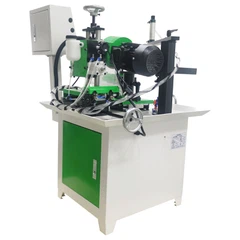

Hey there! As a supplier of Straight Router Bits, I get a ton of questions about using these tools safely. And let me tell you, safety should always be your top priority when working with any power tool, especially a straight router bit.
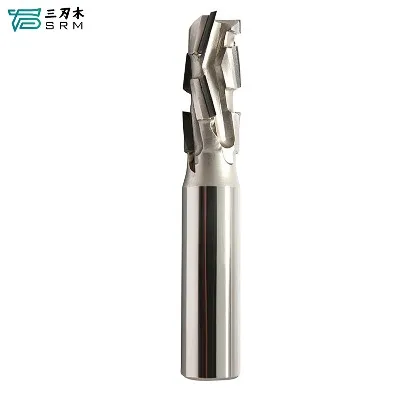
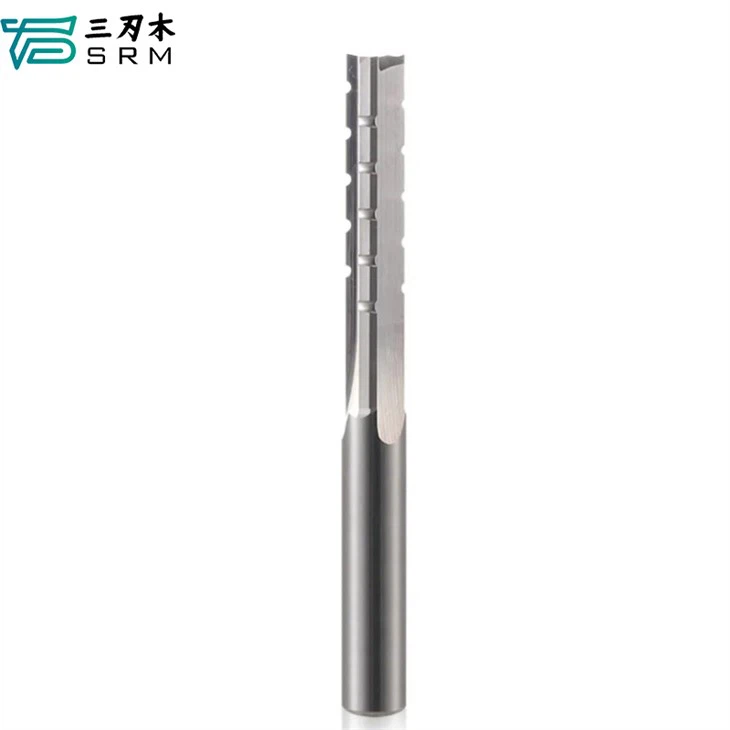
First off, let's talk about what a straight router bit is. It’s a super useful tool in woodworking, used for cutting, shaping, and routing materials like wood, plastic, and some non - ferrous metals. They come in different sizes and styles, which makes them very versatile. For example, we've got the Straight Bit with Chip Breaker. This type is great because the chip breaker helps to break up the chips, making it easier to remove them from the workpiece and reducing the likelihood of clogging.
Personal Protective Equipment (PPE)
One of the first things you need to do before using a straight router bit is to gear up with the right personal protective equipment.
- Safety Glasses: These are a must - have. When you're routing, there's a risk of chips and dust flying into your eyes. A good pair of safety glasses will protect your eyes from any foreign objects. And make sure they fit well and are comfortable enough to wear throughout your work.
- Ear Protection: Router bits can be quite noisy. Prolonged exposure to the loud noise can damage your hearing. So, it’s a good idea to wear earplugs or earmuffs. There are different types out there, so find the ones that work best for you.
- Dust Mask: Routing generates a lot of dust, which can be harmful if you inhale it. A dust mask will help filter out the dust particles and keep your lungs safe. Look for a mask with a good filtration rating.
Tool Inspection
Before you start using your straight router bit, you need to inspect it carefully.
- Check for Damage: Look for any cracks, chips, or signs of wear on the router bit. A damaged bit can not only produce a poor quality cut but can also be dangerous. If you notice any issues, don't use the bit. Instead, replace it with a new one.
- Tighten the Collet: The collet is what holds the router bit in place. Make sure it's tightened properly. A loose bit can wobble during operation, which can cause uneven cuts and increase the risk of the bit flying out.
Workspace Setup
Having a proper workspace setup is crucial for your safety.
- Stable Workbench: Your workbench should be stable and sturdy. If it's wobbly, it can affect the accuracy of your cuts and also pose a safety risk. A stable surface will ensure that the workpiece stays in place while you're routing.
- Clear the Area: Remove any clutter or debris from your workspace. This includes tools, scraps of wood, and anything else that could get in your way. A clear workspace reduces the risk of tripping and makes it easier to focus on your work.
- Proper Lighting: Good lighting is essential. You need to be able to see what you're doing clearly. Make sure your workspace is well - lit, either with natural light or artificial lighting.
Operating the Router
Now, let's talk about how to operate the router safely.
- Read the Manual: This might seem like a no - brainer, but it's important. Every router has its own set of instructions and safety guidelines. Read the manual carefully before you start using your router. It will tell you how to properly install the bit, adjust the settings, and operate the tool.
- Start Slow: When you first start routing, start at a slow speed. This allows you to get a feel for the tool and the material you're working with. As you become more comfortable, you can gradually increase the speed.
- Use the Right Feed Rate: The feed rate is how fast you move the router along the workpiece. If you move too fast, the bit might not cut properly and could cause kickback. If you move too slow, the bit can overheat. Find the right feed rate for the material and the bit you're using.
Bit Selection
Choosing the right bit is also important for safety.
- Match the Bit to the Material: Different materials require different types of bits. For example, if you're working with hardwood, you might need a more durable bit. For softer materials, a standard bit might work just fine. We offer a variety of bits like the O Flute Router Bit and the Ball Nose Router Bit, each designed for specific applications.
- Consider the Bit Size: The size of the bit should be appropriate for the job. A bit that's too large or too small can cause problems. For example, a bit that's too large might put too much stress on the router and the workpiece, while a bit that's too small might not be able to make the desired cut.
Maintenance
Proper maintenance of your straight router bit is essential for both safety and performance.
- Clean the Bit Regularly: After each use, clean the bit to remove any chips, dust, or resin. You can use a brush or a cleaner specifically designed for router bits. A clean bit will cut more efficiently and last longer.
- Store the Bit Properly: When you're not using the bit, store it in a safe place. You can use a bit case or a storage rack to keep it organized and protected. This will prevent the bit from getting damaged and ensure that it's ready for use when you need it.
Emergency Preparedness
Even if you take all the necessary safety precautions, accidents can still happen. So, it's important to be prepared.
- Have a First - Aid Kit: Keep a well - stocked first - aid kit in your workspace. In case of any minor injuries, you can treat them right away.
- Know How to Stop the Router Quickly: Familiarize yourself with the emergency stop button on your router. In case of an emergency, you can quickly turn off the tool to prevent further damage or injury.
In conclusion, using a straight router bit can be a lot of fun and very rewarding, but it's important to take the necessary safety precautions. By following these tips, you can minimize the risk of accidents and ensure a safe and successful woodworking experience.
If you're in the market for high - quality straight router bits or have any questions about our products, don't hesitate to reach out. We're here to help you find the right tools for your projects. Whether you're a professional woodworker or a DIY enthusiast, we've got the products and expertise to support you. Let's start a conversation and see how we can meet your routing needs!

References
- Woodworking Safety Manuals
- Router Bit Manufacturer Guidelines


