








Hey there, fellow drill enthusiasts! I'm a drill bit supplier, and I've been in this industry for quite some time. One question that I get asked a lot is, "What is the coating on a drill bit for?" Well, that's exactly what I'm gonna talk about in this blog post.
Let's start by understanding what a drill bit coating actually is. A drill bit coating is a thin layer of material applied to the surface of the drill bit. This coating isn't just for show; it serves several important functions that can significantly improve the performance and lifespan of the drill bit.
1. Reducing Friction
One of the primary reasons for coating a drill bit is to reduce friction. When you're drilling, the bit rubs against the material you're working on, creating a lot of heat. This heat can not only wear down the drill bit quickly but also damage the material you're drilling. A good coating, like titanium nitride (TiN), has a low coefficient of friction. This means that the bit can glide through the material more easily, generating less heat in the process. For example, if you're using a Forstner Drill Bit to drill through wood, a TiN coating can make the drilling process smoother and faster, and also prevent the wood from charring due to excessive heat.


2. Increasing Hardness
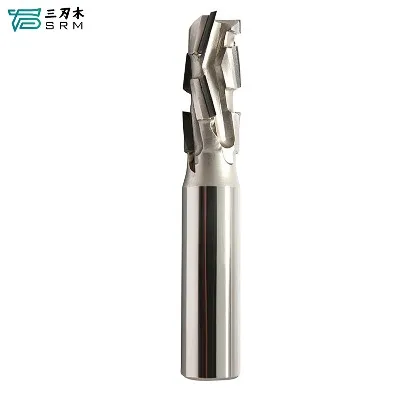
Another key benefit of a drill bit coating is that it can increase the hardness of the bit. Some coatings, such as diamond-like carbon (DLC) or tungsten carbide, are extremely hard. When applied to a drill bit, they form a protective layer that can withstand the wear and tear of drilling. This is especially important when you're drilling through tough materials like metal or concrete. A Solid Carbide Dowel Drill Bit with a hard coating can maintain its sharpness for a longer time, allowing you to make more holes before having to replace the bit.
3. Corrosion Resistance
Drill bits are often exposed to various environments, some of which can be corrosive. Moisture, chemicals, and even the materials you're drilling can cause the bit to rust or corrode over time. A corrosion-resistant coating, like black oxide, can protect the drill bit from these elements. This is particularly useful if you're working in a humid or industrial environment. For instance, if you're using a Through Hole Drill Bit in a factory where there are chemicals in the air, a black oxide coating can prevent the bit from corroding and keep it in good working condition.
4. Improving Chip Evacuation
When you drill, chips are produced as the bit cuts through the material. These chips need to be removed from the hole to prevent clogging and ensure smooth drilling. Some drill bit coatings are designed to improve chip evacuation. They have a smooth surface that allows the chips to slide off easily. This is crucial for maintaining the efficiency of the drilling process. For example, a drill bit with a Teflon coating can reduce the adhesion of chips to the bit, making it easier for them to be ejected from the hole.
Different Types of Coatings and Their Applications
Now that we know the main functions of drill bit coatings, let's take a look at some of the most common types of coatings and where they're best used.
- Titanium Nitride (TiN): As mentioned earlier, TiN is great for reducing friction and increasing hardness. It's commonly used on drill bits for general-purpose drilling in materials like wood, plastic, and mild steel. It gives the bit a gold-colored appearance, which makes it easy to identify.
- Titanium Aluminum Nitride (TiAlN): This coating is even harder than TiN and can withstand higher temperatures. It's ideal for drilling through hard metals, such as stainless steel and titanium. TiAlN-coated drill bits are often used in high-speed machining applications.
- Black Oxide: Black oxide is a popular choice for its corrosion resistance and its ability to improve the bit's grip on the material. It's commonly used on drill bits for woodworking and light metalworking. It also gives the bit a black, matte finish.
- Diamond Coating: Diamond is the hardest material known to man, so a diamond-coated drill bit is extremely durable. It's mainly used for drilling through very hard materials like glass, ceramics, and stone. However, diamond-coated bits are usually more expensive than other types of coated bits.
How to Choose the Right Coated Drill Bit
Choosing the right coated drill bit depends on several factors, such as the material you're drilling, the type of drilling operation, and your budget. Here are some tips to help you make the right choice:
- Consider the Material: If you're drilling through soft materials like wood or plastic, a TiN-coated bit should be sufficient. For harder materials like metal or concrete, you'll need a bit with a harder coating, such as TiAlN or diamond.
- Think about the Drilling Operation: If you're doing high-speed drilling or heavy-duty drilling, you'll need a bit that can withstand the heat and pressure. A bit with a high-temperature-resistant coating, like TiAlN, would be a good choice.
- Budget: Coated drill bits can be more expensive than uncoated bits, but they also last longer and perform better. Consider your budget and how often you'll be using the bit. If you're a professional who drills a lot, investing in a high-quality coated bit is probably worth it.
Conclusion
In conclusion, the coating on a drill bit serves several important functions, including reducing friction, increasing hardness, providing corrosion resistance, and improving chip evacuation. There are different types of coatings available, each with its own advantages and applications. By choosing the right coated drill bit, you can improve the efficiency and lifespan of your drilling operations.
If you're in the market for high-quality drill bits with the right coatings, I'd love to help you out. Whether you need a Forstner Drill Bit, a Solid Carbide Dowel Drill Bit, or a Through Hole Drill Bit, I've got you covered. Feel free to reach out to me for more information and to discuss your specific needs. Let's get your drilling projects off to a great start!
References
- "Drill Bit Coatings: What They Are and Why They Matter" - Industrial Supply Magazine
- "The Science of Drill Bit Coatings" - Machining Technology Journal
- "Choosing the Right Coated Drill Bit for Your Application" - Tooling World


