



Hey there! As a supplier of Forstner drill bits, I often get asked a whole bunch of questions about what these bits can and can't do. One question that pops up quite frequently is whether a Forstner drill bit can be used for drilling in fiberglass. Well, let's dive right into this topic and find out.
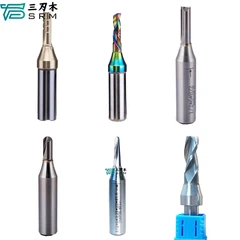
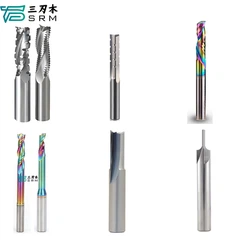
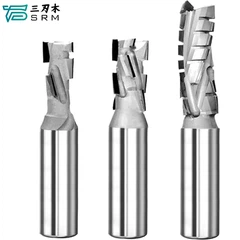
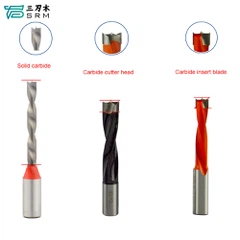
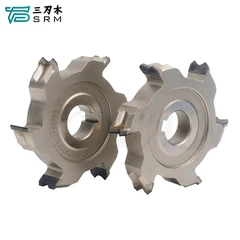
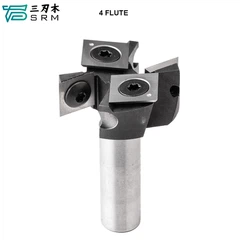
First off, let's talk a bit about Forstner drill bits. These bad boys are pretty unique in the world of drill bits. They're designed to make flat-bottomed holes, which is super useful in a lot of woodworking and other applications. They have a center point and a cutting edge around the perimeter, allowing them to cut cleanly and precisely, leaving a smooth finish on the bottom of the hole. You can find different types like the Blind Dowel Hole Drill Bit, the Countersink Drill Bit, and the Solid Carbide Dowel Drill Bit, each with its own set of features and uses.


Now, fiberglass is a whole different ballgame. It's a composite material made up of glass fibers embedded in a resin matrix. Fiberglass is known for being strong, lightweight, and corrosion - resistant. It's used in all sorts of things, from boats and cars to aerospace components. But drilling into fiberglass can be a real pain in the neck.
When you're thinking about using a Forstner drill bit on fiberglass, there are a few things to consider. One of the main issues is the hardness of the materials involved. Forstner drill bits are typically made for softer materials like wood. Fiberglass, on the other hand, is much harder and can be abrasive. The cutting edges of a Forstner drill bit might not hold up well against the abrasive nature of fiberglass, meaning they could dull quickly.
Another problem is the way Forstner drill bits work. They rely on a center point to start the hole and guide the bit. In fiberglass, that center point might not grip as well as it does in wood. This can lead to the bit wandering or slipping, which is a huge headache when you're trying to make a precise hole. And if the bit slips, it can cause damage to the fiberglass surface, leaving chips or cracks.
But hey, it's not all doom and gloom. There are some situations where you might be able to use a Forstner drill bit on fiberglass. If you're dealing with a thinner piece of fiberglass, and you're really careful, you might be able to get away with it. You'll want to use a slow speed on your drill to reduce the heat generated and the stress on the bit. And it's a good idea to use some sort of lubricant or coolant to help keep the bit cool and reduce friction.
Now, let's compare using a Forstner drill bit to other drill bits that are more commonly used for fiberglass. Bits like carbide - tipped drill bits are specifically designed to handle the hardness and abrasiveness of fiberglass. They have a much longer lifespan when drilling into fiberglass because the carbide tip can withstand the wear better. Also, twist drill bits can be a good option. They're versatile and can make holes in fiberglass, although they won't give you that flat - bottomed hole like a Forstner bit.
If you do decide to use a Forstner drill bit on fiberglass, here are some tips to make the process a bit easier. First, mark your hole accurately. Use a punch or a scribe to make a small indentation where you want the center of the hole to be. This will help the center point of the Forstner bit grip better. Second, start the drill at a slow speed and gradually increase it as the bit starts to cut into the fiberglass. And don't put too much pressure on the drill. Let the bit do the work, and if you feel it starting to struggle, stop and check what's going on.
In terms of safety, always wear safety glasses when drilling into fiberglass. Fiberglass can produce small particles that are really bad for your eyes. And it's a good idea to work in a well - ventilated area because the drilling process can release fumes from the resin in the fiberglass.
So, to sum it all up, while it's technically possible to use a Forstner drill bit for drilling in fiberglass, it's not the ideal choice in most cases. The hardness and abrasiveness of fiberglass can cause the bit to dull quickly, and it can be difficult to get a precise hole. However, if you're in a pinch and you have a thin piece of fiberglass, you can give it a try with the right precautions.
If you're in the market for drill bits, whether it's Forstner drill bits or other types, I'd love to have a chat. I can help you figure out which bit is the best fit for your project. Feel free to reach out and let's start the conversation about what you need. I'm here to make sure you get the best tools for the job.
References
Some general knowledge about drill bits from various hardware and manufacturing industry literature.
General information about fiberglass properties from composite material textbooks.


