







Hey there, woodworking enthusiasts! As a supplier of Scoring Saw Blades, I've seen firsthand how crucial it is to pick the right blade for your projects. In this blog, I'll share some tips on how to choose the perfect scoring saw blade for your needs.
Understanding Scoring Saw Blades
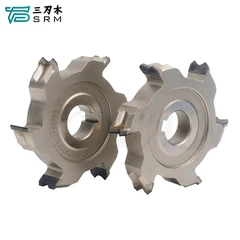
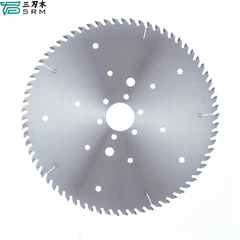
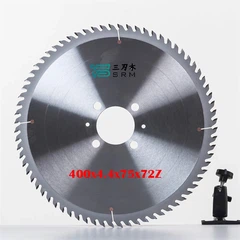
First off, let's talk about what scoring saw blades are and what they do. A scoring saw blade is a small, thin blade that makes a shallow cut on the surface of the material before the main saw blade cuts through it. This helps prevent chipping and splintering, especially when cutting materials like plywood, veneered panels, and laminates.
Scoring saw blades are commonly used in combination with a main saw blade on table saws, panel saws, and sliding table machines. They're designed to score the material just enough to break the surface layer, creating a clean edge that the main blade can then cut through without causing damage.
Factors to Consider When Choosing a Scoring Saw Blade
Now that you know what scoring saw blades are, let's dive into the factors you should consider when choosing one.
1. Blade Diameter
The diameter of the scoring saw blade is an important factor to consider. It should be compatible with your saw's arbor size and the size of the main saw blade. Generally, scoring saw blades range in diameter from 4 to 8 inches. A smaller diameter blade is suitable for lighter-duty applications and smaller saws, while a larger diameter blade can handle more heavy-duty work and larger materials.
2. Number of Teeth
The number of teeth on a scoring saw blade affects the quality of the cut. A blade with more teeth will make a smoother cut, but it may also cut more slowly. On the other hand, a blade with fewer teeth will cut faster, but the cut may be rougher. For scoring applications, a blade with 40 to 80 teeth is usually a good choice.
3. Tooth Geometry
The tooth geometry of a scoring saw blade also plays a role in the quality of the cut. There are several different tooth geometries available, including flat-top grind (FTG), alternate top bevel (ATB), and triple-chip grind (TCG).
- Flat-Top Grind (FTG): FTG blades have flat teeth that are designed to make a clean, straight cut. They're ideal for cutting materials like plywood and veneered panels.
- Alternate Top Bevel (ATB): ATB blades have teeth that are beveled alternately on each side. This design helps to reduce chipping and splintering, making them suitable for cutting a variety of materials, including laminates and plastics.
- Triple-Chip Grind (TCG): TCG blades have teeth with a combination of flat and beveled edges. They're designed to make a fast, clean cut in hard materials like hardwoods and composites.
4. Kerf Width
The kerf width of a scoring saw blade refers to the width of the cut it makes. A thinner kerf blade will use less material and require less power to cut, but it may also be more prone to bending and breaking. A thicker kerf blade is more durable and can handle heavier loads, but it will use more material and require more power to cut. For scoring applications, a kerf width of 0.040 to 0.060 inches is usually recommended.
5. Material Compatibility
It's important to choose a scoring saw blade that is compatible with the material you'll be cutting. Different materials require different blade designs and tooth geometries to achieve the best results. For example, a blade designed for cutting hardwoods may not work well on softwoods or plastics.
Here are some general guidelines for choosing a scoring saw blade based on the material you'll be cutting:
- Plywood and Veneered Panels: Use a blade with a flat-top grind (FTG) or alternate top bevel (ATB) tooth geometry. A blade with 40 to 60 teeth is usually a good choice.
- Laminates and Plastics: Use a blade with an alternate top bevel (ATB) or triple-chip grind (TCG) tooth geometry. A blade with 60 to 80 teeth is usually recommended.
- Hardwoods and Composites: Use a blade with a triple-chip grind (TCG) tooth geometry. A blade with 40 to 60 teeth is usually a good choice.
Types of Scoring Saw Blades
There are several different types of scoring saw blades available, each designed for specific applications. Here are some of the most common types:
1. Panel Sizing Saw Blade
A Panel Sizing Saw Blade is designed for cutting large panels of wood, plywood, and other sheet materials. These blades are typically larger in diameter and have a higher tooth count than other scoring saw blades. They're designed to make a clean, straight cut with minimal chipping and splintering.
2. Saw Blade for Sliding Table Machine
A Saw Blade for Sliding Table Machine is specifically designed for use on sliding table machines. These blades are usually smaller in diameter and have a lower tooth count than panel sizing saw blades. They're designed to make a fast, accurate cut with minimal vibration.


3. Scoring Saw Blade
A Scoring Saw Blade is a general-purpose blade that can be used for a variety of scoring applications. These blades are available in a range of diameters and tooth counts, and they can be used on a variety of saws, including table saws, panel saws, and sliding table machines.
Tips for Using Scoring Saw Blades
Here are some tips to help you get the most out of your scoring saw blades:
- Use the Right Blade for the Job: Make sure you choose a scoring saw blade that is compatible with the material you'll be cutting and the saw you'll be using. Using the wrong blade can result in a poor-quality cut and may even damage your saw.
- Keep Your Blades Sharp: A sharp blade will make a cleaner, smoother cut and will last longer than a dull blade. Make sure you sharpen your blades regularly or replace them when they become dull.
- Adjust the Blade Height: The height of the scoring saw blade should be adjusted so that it makes a shallow cut on the surface of the material, just deep enough to break the surface layer. This will help prevent chipping and splintering.
- Use a Push Stick: When cutting small or narrow pieces of material, use a push stick to keep your fingers away from the blade. This will help prevent accidents and injuries.
- Follow the Manufacturer's Instructions: Make sure you read and follow the manufacturer's instructions for your scoring saw blade and your saw. This will help ensure that you use the blade safely and correctly.
Conclusion
Choosing the right scoring saw blade is essential for achieving a clean, smooth cut with minimal chipping and splintering. By considering the factors outlined in this blog, you can choose a blade that is compatible with your saw and the material you'll be cutting. Remember to keep your blades sharp, adjust the blade height correctly, and follow the manufacturer's instructions for safe and proper use.
If you have any questions or need help choosing the right scoring saw blade for your needs, don't hesitate to contact us. We're a leading supplier of Scoring Saw Blades and we're here to help you find the perfect blade for your projects. Whether you're a professional woodworker or a DIY enthusiast, we have the expertise and the products you need to get the job done right.
References
- Woodworking Magazine: "Choosing the Right Saw Blade"
- Popular Woodworking: "Understanding Saw Blade Tooth Geometry"
- Fine Woodworking: "Tips for Using Scoring Saw Blades"