







In the realm of woodworking, metalworking, and various other machining processes, the choice of cutting tools is crucial for achieving high - quality results. As a supplier of Spiral Up Cut Bits, I often encounter a question from customers: "Can Spiral Up Cut Bits be used for making joints?" In this blog post, I will delve into this question, exploring the characteristics of Spiral Up Cut Bits, the requirements of making joints, and the feasibility of using these bits for joint - making.
Understanding Spiral Up Cut Bits
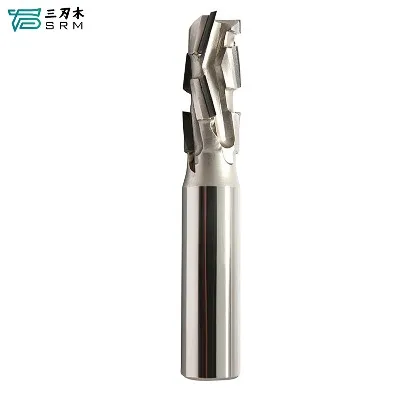
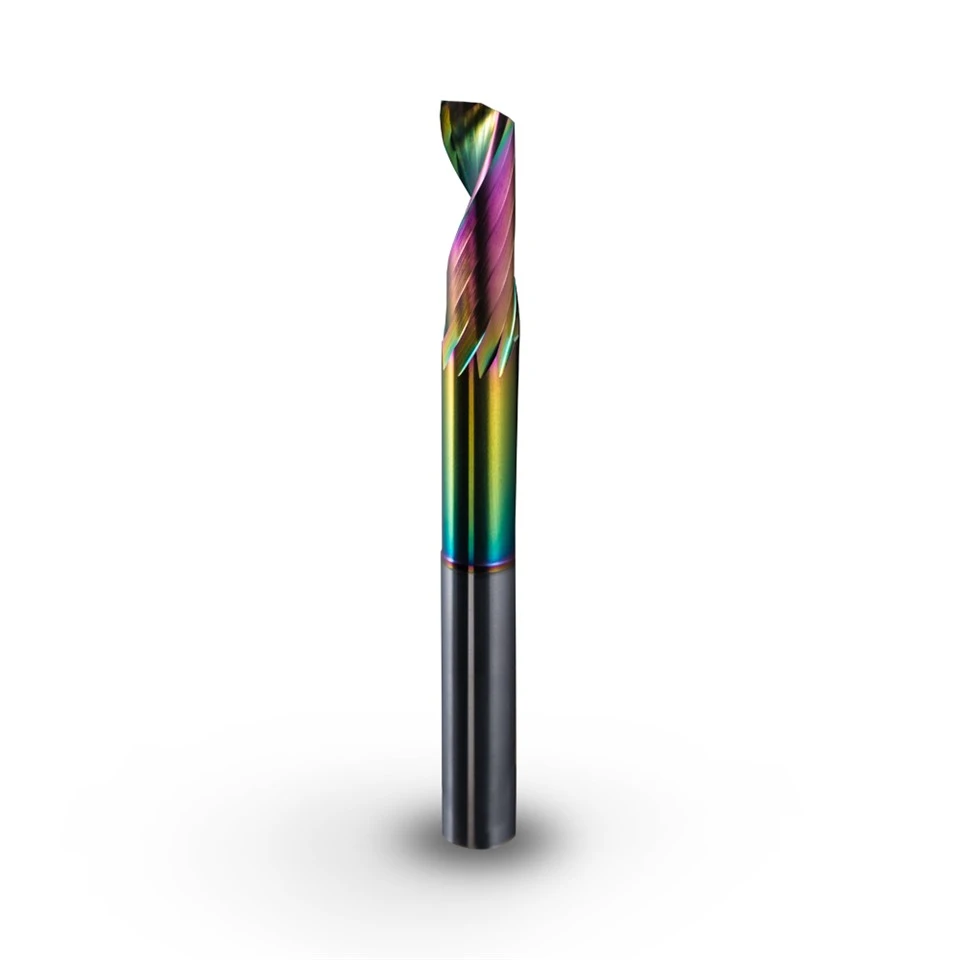
Spiral Up Cut Bits are a type of cutting tool commonly used in CNC routers and other milling machines. These bits are designed with a spiral flute that rotates in an upward direction. The unique spiral design offers several advantages. Firstly, the upward - spiraling flutes are extremely effective at clearing chips from the cutting area. During the cutting process, as the bit rotates, the chips are lifted up and out of the slot or hole being cut, which helps prevent chip recutting. This results in a cleaner cut and reduces the heat generated during machining, as chips can act as an insulator and cause overheating if they accumulate in the cutting area.
Secondly, Spiral Up Cut Bits typically provide a smooth surface finish on the top side of the workpiece. The upward - moving flutes tend to pull the material up slightly, which can result in a more polished and even surface on the top layer of the cut. However, on the bottom side, there may be a slight tear - out or roughness, as the cutting action can cause the material to be pulled away rather than cleanly sheared off.
Requirements for Making Joints
Making joints is a fundamental skill in woodworking and metalworking. A good joint should have several key characteristics. Firstly, it needs to have a precise fit. Whether it is a simple butt joint, a dovetail joint, or a mortise - and - tenon joint, the mating parts must fit together snugly to ensure the strength and stability of the final structure. This requires accurate cutting dimensions and smooth surfaces on the joint components.
Secondly, the joint should be strong enough to withstand the forces it will be subjected to in its intended use. In woodworking, for example, a joint in a cabinet or a table needs to be able to support the weight of the items placed on it or the stress from normal use. In metalworking, joints in machinery parts must be able to handle mechanical loads and vibrations without failing.
Can Spiral Up Cut Bits be Used for Making Joints?
The answer to whether Spiral Up Cut Bits can be used for making joints is both yes and no, and it depends on several factors.
Advantages of Using Spiral Up Cut Bits for Joints
- Cleaner Cuts on the Top Surface: As mentioned earlier, Spiral Up Cut Bits offer a smooth surface finish on the top side of the workpiece. In some joint - making applications, such as when creating the visible parts of a joint, this smooth finish can be highly desirable. For example, in a decorative wood joint where the top surface is on display, the clean cut provided by a Spiral Up Cut Bit can enhance the aesthetic appeal of the final product.
- Efficient Chip Removal: The ability to clear chips effectively is also beneficial for joint - making. When cutting joints, especially in materials like wood or plastic, chip accumulation can lead to inaccurate cuts and a rough surface finish. The upward - spiraling flutes of Spiral Up Cut Bits ensure that chips are quickly removed from the cutting area, allowing for more precise and consistent cuts.
Limitations of Using Spiral Up Cut Bits for Joints
- Tear - Out on the Bottom Surface: One of the main drawbacks of using Spiral Up Cut Bits for joint - making is the potential for tear - out on the bottom side of the workpiece. In a joint, a rough or uneven bottom surface can prevent a proper fit between the mating parts. For example, in a mortise - and - tenon joint, if the tenon has a rough bottom surface due to tear - out from a Spiral Up Cut Bit, it may not fit smoothly into the mortise, compromising the strength and stability of the joint.
- Limited for Certain Joint Types: Some complex joint types, such as dovetail joints, require very precise and intricate cuts. The cutting action of Spiral Up Cut Bits may not be suitable for creating the fine details and tight tolerances needed for such joints. In these cases, specialized router bits, like the Acrylic Router Bits, may be a better choice.
Mitigating the Limitations
If you still want to use Spiral Up Cut Bits for joint - making, there are several strategies you can employ to mitigate their limitations.
- Backer Board: Placing a backer board on the bottom side of the workpiece can help reduce tear - out. The backer board provides additional support to the material as the bit exits the cut, preventing the material from being pulled away in a rough manner. Once the cut is complete, the backer board can be removed.
- Multiple Passes: Instead of making a single deep cut, making multiple shallow passes with the Spiral Up Cut Bit can also help reduce tear - out. Each pass removes a small amount of material, which can result in a more controlled cutting process and a smoother surface finish.
Other Considerations for Joint - Making
In addition to the choice of Spiral Up Cut Bits, there are other factors to consider when making joints.
- Material Type: Different materials have different cutting characteristics. For example, softwoods are generally easier to cut than hardwoods, and metals require different cutting parameters than plastics. Understanding the properties of the material you are working with is essential for achieving a successful joint.
- Machine Settings: The speed, feed rate, and depth of cut of the milling machine can also affect the quality of the joint. Incorrect machine settings can lead to issues such as overheating, excessive tool wear, and poor surface finish. It is important to adjust these settings according to the material and the type of joint you are making.
Related Router Bits for Joint - Making
While Spiral Up Cut Bits have their place in joint - making, there are other types of router bits that are specifically designed for this purpose. The Lock Hole Router Bit is ideal for creating lock holes, which are a common type of joint in furniture and cabinetry. These bits are designed to make precise, clean cuts for installing locks and other hardware.
The Roughing End Mill Cutter can be used for quickly removing large amounts of material when preparing the joint area. It is often used as a first step in the joint - making process, followed by more precise finishing cuts with other bits.
Conclusion
In conclusion, Spiral Up Cut Bits can be used for making joints, but they have both advantages and limitations. Their ability to provide a smooth top surface and efficient chip removal makes them suitable for certain joint - making applications. However, the potential for tear - out on the bottom surface and their limitations for complex joint types need to be taken into account. By understanding these factors and employing appropriate mitigation strategies, you can make the most of Spiral Up Cut Bits in your joint - making projects.
If you are interested in purchasing Spiral Up Cut Bits or other related router bits for your joint - making needs, feel free to reach out to us for more information and to discuss your specific requirements. We are committed to providing high - quality cutting tools and excellent customer service to help you achieve the best results in your machining and woodworking projects.

References
- "Woodworking Joints: A Comprehensive Guide" by John Smith
- "Metal Machining Handbook" by David Brown
- "Router Bit Selection and Usage" by the American Woodworker Magazine


