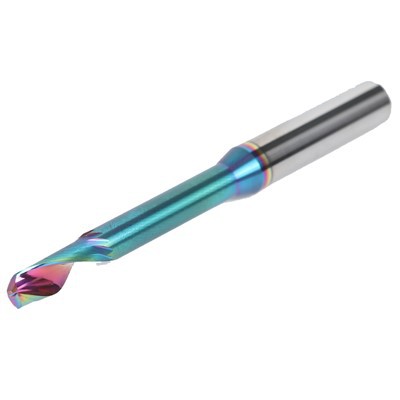


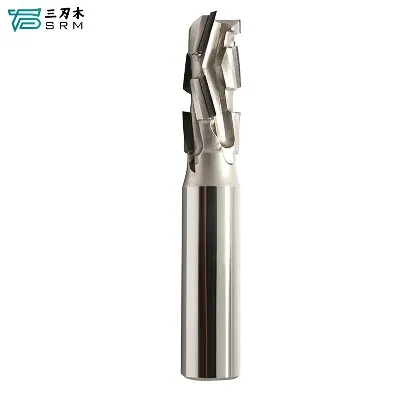





Troubleshooting problems when using a ball nose router bit is essential for achieving optimal results in your machining projects. As a supplier of high - quality ball nose router bits, I understand the common issues that users may encounter and am here to share some practical solutions.


1. Poor Surface Finish
One of the most common problems when using a ball nose router bit is a poor surface finish on the workpiece. This can manifest as rough spots, chatter marks, or uneven cuts.
Causes
- Dull Bit: Over time, the cutting edges of the ball nose router bit can wear down. A dull bit will not cut cleanly, resulting in a rough surface finish.
- Incorrect Feed Rate: If the feed rate is too fast, the bit may not have enough time to remove material cleanly, leading to a rough surface. Conversely, if the feed rate is too slow, it can cause excessive heat build - up and also result in a poor finish.
- High Spindle Speed: An overly high spindle speed can cause the bit to vibrate, creating chatter marks on the workpiece.
Solutions
- Replace the Bit: Regularly inspect your ball nose router bit for signs of wear. If the cutting edges are dull, replace the bit with a new one. Our company offers a wide range of high - quality ball nose router bits that are designed to provide a long service life and excellent cutting performance.
- Adjust the Feed Rate: Experiment with different feed rates to find the optimal one for your material and bit. As a general rule, start with a slower feed rate and gradually increase it until you achieve a smooth surface finish.
- Reduce Spindle Speed: Lower the spindle speed to reduce vibration and chatter. However, make sure that the speed is still within the recommended range for the material you are cutting.
2. Excessive Bit Wear
Excessive bit wear can significantly reduce the lifespan of your ball nose router bit and affect the quality of your cuts.
Causes
- Hard Materials: Cutting hard materials such as stainless steel or titanium can cause rapid wear on the bit.
- High Cutting Forces: If the cutting forces are too high, it can put additional stress on the bit, leading to premature wear.
- Lack of Lubrication: Without proper lubrication, the friction between the bit and the material can generate excessive heat, which can accelerate wear.
Solutions
- Choose the Right Bit: Select a ball nose router bit that is specifically designed for the material you are cutting. For hard materials, consider using a carbide - tipped or solid carbide bit, which offers better wear resistance. We also have a selection of End Mills for Roughing that are suitable for various tough materials.
- Reduce Cutting Forces: Optimize your cutting parameters, such as the depth of cut and feed rate, to reduce cutting forces. A shallower depth of cut and a slower feed rate can help to minimize stress on the bit.
- Use Lubrication: Apply a suitable lubricant or coolant to the cutting area to reduce friction and heat. This can significantly extend the life of your bit.
3. Bit Breakage
Bit breakage is a serious problem that can not only damage the bit but also pose a safety hazard.
Causes
- Overloading the Bit: Cutting too deeply or at too high a feed rate can overload the bit, causing it to break.
- Poor Workpiece Fixturing: If the workpiece is not properly secured, it can move during the cutting process, causing the bit to bind and break.
- Defective Bit: In some cases, a defective bit may have internal cracks or other flaws that can lead to breakage.
Solutions
- Follow the Manufacturer's Recommendations: Always follow the recommended cutting parameters provided by the bit manufacturer. This includes the maximum depth of cut, feed rate, and spindle speed.
- Improve Workpiece Fixturing: Use proper clamping or fixturing methods to ensure that the workpiece is securely held in place during the cutting process.
- Inspect the Bit: Before using a new bit, carefully inspect it for any signs of damage or defects. If you notice any problems, do not use the bit and contact our customer service for a replacement.
4. Chipping on the Cutting Edges
Chipping on the cutting edges of the ball nose router bit can affect the quality of the cuts and reduce the bit's effectiveness.
Causes
- Brittle Material: Cutting brittle materials such as ceramics or glass can cause chipping on the bit's cutting edges.
- High - Frequency Vibration: Vibration during the cutting process can cause the cutting edges to chip.
- Incorrect Toolpath: A poorly designed toolpath can cause the bit to encounter sudden changes in direction or load, leading to chipping.
Solutions
- Select the Appropriate Bit Geometry: For brittle materials, choose a ball nose router bit with a more robust cutting edge geometry. Our company offers a variety of bit geometries to suit different materials and applications.
- Reduce Vibration: Check your machine for any loose components or imbalances that may be causing vibration. You can also use vibration - dampening tools or fixtures to minimize the effect of vibration on the bit.
- Optimize the Toolpath: Design a smooth and continuous toolpath that avoids sudden changes in direction or load. This can help to reduce the stress on the cutting edges and prevent chipping.
5. Difficulty in Achieving the Desired Shape
Sometimes, you may find it difficult to achieve the desired shape when using a ball nose router bit.
Causes
- Inaccurate Toolpath Programming: Errors in the toolpath programming can result in an incorrect shape being cut.
- Bit Deflection: If the bit is too long or thin, it may deflect during the cutting process, causing the shape to deviate from the intended design.
- Material Variations: Variations in the material's hardness or density can affect the cutting performance and make it difficult to achieve a consistent shape.
Solutions
- Double - Check the Toolpath: Review and verify the toolpath programming to ensure that it is accurate. Use simulation software to visualize the cutting process and identify any potential issues before starting the actual machining.
- Choose the Right Bit Size and Length: Select a ball nose router bit with an appropriate size and length to minimize deflection. Our product catalog includes a wide range of bit sizes to meet your specific requirements.
- Account for Material Variations: If you are working with materials that have variations in hardness or density, adjust your cutting parameters accordingly. You may need to use a slower feed rate or a shallower depth of cut in areas where the material is harder.
Conclusion
Using a ball nose router bit can be a rewarding experience, but it also comes with its own set of challenges. By understanding the common problems and their solutions, you can ensure that you get the best performance from your bit and achieve high - quality results in your machining projects.
If you are facing any issues with your ball nose router bits or are looking for high - quality router bits for your next project, we are here to help. Our team of experts can provide you with professional advice and support. We also offer a comprehensive range of router bits, including Acrylic Router Bits and Compression Bits, to meet all your machining needs. Contact us today to start a procurement discussion and find the perfect router bits for your applications.
References
- "Machining Handbook", Industrial Press Inc.
- "Cutting Tool Engineering", Society of Manufacturing Engineers.