


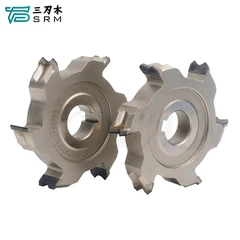
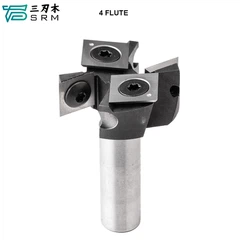

Let's talk about something super important in the woodworking and metalworking industry: the advantages of a spiral cutterhead compared to a traditional cutterhead. I'm a supplier of spiral cutterheads, and I've seen firsthand how these nifty tools can revolutionize your cutting game.
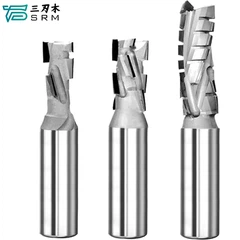
First off, let's get into the basics. Traditional cutterheads are the old - school option that most of us are familiar with. They have straight, fixed blades that are usually arranged in a simple pattern. On the flip side, spiral cutterheads feature helically arranged knives. This seemingly small difference brings about a whole bunch of benefits.


One of the biggest advantages of a spiral cutterhead is the quality of the cut. When you're using a traditional cutterhead, the straight blades take in a large amount of material in one go. This can lead to a sort of "ripping" action, which often leaves behind rough edges and tear - outs on the workpiece. You might end up spending extra time sanding and finishing the piece to make it look presentable.
With a spiral cutterhead, the knives cut the material in a more gradual, shearing motion. Each knife blade engages with the material at a different point and time, which greatly reduces the chances of tear - outs and rough cuts. The result is a much smoother surface finish. Whether you're working with hardwoods, softwoods, or even some types of metals, the spiral cutterhead can give you that professional - grade finish without all the extra elbow grease. This is especially important if you're doing high - end furniture or detailed woodworking projects where the appearance of the final product is crucial.
Another major plus is the noise level. Traditional cutterheads can be really noisy. The large, sudden impacts of the straight blades against the material create a lot of vibration and a high - pitched screeching sound. It can be not only annoying but also a safety hazard in the long run. Prolonged exposure to high - decibel noise can cause hearing damage.
Spiral cutterheads, however, operate much more quietly. The helical arrangement of the knives distributes the cutting force more evenly, reducing the overall vibration and noise. You can work in a more comfortable environment, and you won't have to worry as much about the long - term effects of noise pollution. This is a huge advantage for both small - scale workshops and large industrial settings.
Now, let's talk about tool life. Traditional cutterheads have a relatively short lifespan. The straight blades are more likely to chip or dull quickly, especially when cutting hard materials. Once a blade is damaged, you often have to replace the entire cutterhead or at least a significant part of it, which can be costly.
In contrast, spiral cutterheads have a much longer tool life. The helical arrangement of the knives means that each blade is subjected to less stress during the cutting process. If a single knife blade does get dull or damaged, you can simply replace that one blade instead of the whole cutterhead. This not only saves you money on replacement parts but also reduces downtime. You can just swap out the bad blade and get back to work in no time.
Next up, we have the versatility factor. Spiral cutterheads are incredibly versatile. They can be used for a wide range of operations, including planing, profiling, and grooving. And if you're looking for some really specialized tools, we've got you covered. Check out our Adjustable Edge Profiling Sets, Adjustable Grooving Tools Set, and Degree Locking Miter Cutter Heads. These additional tools can further enhance the functionality of your spiral cutterhead, allowing you to tackle even the most complex projects with ease.
Traditional cutterheads, on the other hand, are often more limited in their capabilities. They are designed mainly for specific types of cuts, and it can be difficult to adapt them for different operations. If you want to change the type of cut, you might have to buy a whole new cutterhead.
In terms of performance and efficiency, spiral cutterheads shine brightly. They can cut through materials at a faster rate than traditional cutterheads while still maintaining a high level of accuracy. The reduced vibration and smoother cutting action also mean that the machine operates more smoothly. This can lead to less wear and tear on the cutting equipment as a whole, which in turn reduces maintenance costs and extends the life of your machinery.
And let's not forget about the ease of use. Spiral cutterheads are generally easier to install and adjust than traditional cutterheads. Many spiral cutterhead models come with features that make it simple to set the correct cutting depth and alignment. This means that even if you're a new user or someone with limited experience in woodworking or metalworking, you can quickly get up to speed and start using the cutterhead effectively.
Now, if you're still on the fence about whether to switch from a traditional cutterhead to a spiral cutterhead, think about all the benefits we've discussed. The better cut quality, lower noise level, longer tool life, greater versatility, improved performance, and ease of use make spiral cutterheads a clear winner.
If you're interested in exploring our range of spiral cutterheads or have any questions about how they can improve your cutting operations, don't hesitate to reach out. We'd love to have a chat with you and help you find the perfect solution for your needs.
References:
- Woodworking Technology Handbook, various industry experts
- Metal Cutting Principles and Practices, research papers on cutting tools


