



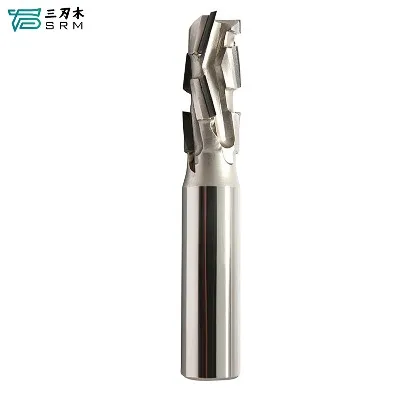

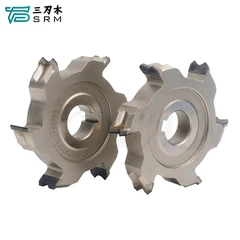



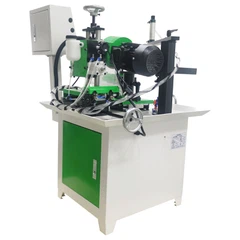

Alright, folks! As a supplier of Trimming Cutterheads, I'm super stoked to dive into the world of the cutting - edge geometry of these amazing tools and how it impacts the cutting process.
Let's start by getting a basic understanding of what a Trimming Cutterhead is. If you're curious, you can check out more details here Trimming Cutterhead. A trimming cutterhead is a crucial component in many woodworking and machining operations. It's used to trim, shape, and smooth the edges of various materials, like wood, plastic, and even some soft metals.
So, what exactly is this cutting - edge geometry we're talking about? Well, it's all about the design of the cutting edges on the cutterhead. There are several key aspects that make up this geometry, and each one plays a vital role in how well the cutterhead performs.
One of the most important features is the rake angle. The rake angle is the angle between the cutting edge of the blade and a line perpendicular to the workpiece surface. A positive rake angle means the cutting edge is slanted forward in the direction of cutting. This type of angle makes the cutting process easier because it reduces the amount of force needed to cut through the material. It's like slicing through a piece of cake with a sharp, well - angled knife. On the other hand, a negative rake angle is when the cutting edge is slanted backward. Negative rake angles are often used for harder materials because they provide more strength to the cutting edge, preventing it from chipping or breaking under high pressure.
Another crucial part of the geometry is the clearance angle. The clearance angle is the angle between the back of the cutting edge and the workpiece surface. A proper clearance angle ensures that the back of the blade doesn't rub against the workpiece as it cuts. If the clearance angle is too small, the blade will rub, which can cause excessive heat, wear, and a poor surface finish on the workpiece. If it's too large, the cutting edge may become weak and prone to chipping.
The shape of the cutting edge also matters a lot. There are different shapes like straight edges, curved edges, and serrated edges. Straight edges are great for making clean, smooth cuts in a variety of materials. They're simple and effective, and they're often used in general trimming applications. Curved edges, on the other hand, can be more useful for shaping and contouring. They can follow the curves of the workpiece more easily and provide a more precise cut. Serrated edges are designed to break through the material in a series of small steps. This can be beneficial for cutting tough or fibrous materials, as it reduces the amount of force needed and can prevent the material from tearing.
Now, let's talk about how this cutting - edge geometry impacts the cutting process. First of all, it affects the quality of the cut. A well - designed cutterhead with the right geometry will produce a smooth, clean cut with minimal tear - out or roughness on the workpiece surface. For example, if you're using a trimming cutterhead with a sharp edge and the correct rake and clearance angles, you'll get a beautiful finish on your woodworking project. This is especially important in industries where the appearance of the final product matters, like furniture making or cabinetry.
The cutting - edge geometry also has a big impact on the cutting force. As I mentioned earlier, a positive rake angle can reduce the cutting force, which means less energy is required to operate the machine. This not only saves power but also reduces wear and tear on the machine and the cutterhead itself. On the other hand, if the geometry is not optimized, the cutting force can be much higher, leading to higher energy consumption and a shorter lifespan for the cutterhead.
Efficiency is another aspect affected by the geometry. A cutterhead with the right shape and angles can cut through the material faster and more effectively. For instance, a serrated edge can cut through a thick piece of plastic more quickly than a straight edge because it breaks the material into smaller pieces as it cuts. This can significantly increase the productivity of a machining operation, allowing you to get more work done in less time.


In addition to woodworking, the Trimming Cutterhead also has applications in other industries. For example, in the plastics manufacturing industry, these cutterheads are used to trim the excess plastic from molded parts. Thickness Planer Cutterhead and Planer Cutterhead are also closely related tools that use similar geometric principles to achieve precise cutting and shaping.
If you're in the market for a high - quality trimming cutterhead, you've come to the right place. Our cutterheads are designed with the latest in cutting - edge geometry technology to ensure the best performance, quality, and efficiency. Whether you're a small - scale woodworker or a large - scale manufacturing plant, we have the right cutterhead for your needs.
We understand that every project is unique, and that's why we offer a variety of cutterhead options with different geometries to meet your specific requirements. Our team of experts is always here to help you choose the right cutterhead for your application. We can provide you with detailed technical information and advice to ensure that you get the most out of your cutterhead.
So, if you're interested in learning more about our Trimming Cutterheads or want to discuss your specific needs, don't hesitate to reach out. We're eager to have a chat with you and help you find the perfect solution for your cutting needs. Let's work together to take your cutting operations to the next level!
References
- Merchant, M. E. (1945). Mechanics of the Metal Cutting Process. Journal of Applied Physics, 16(2), 144 - 166.
- Astakhov, V. P. (2006). Metal Cutting Theory and Practice. CRC Press.


