



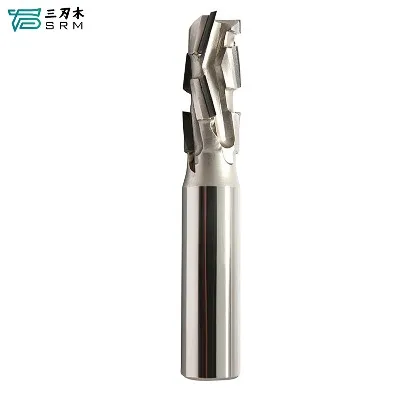





As a supplier of straight router bits, I've encountered numerous inquiries regarding their heat resistance. Heat resistance is a crucial factor that significantly impacts the performance and lifespan of these tools. In this blog, I'll delve into what heat resistance means for straight router bits, the factors influencing it, and why it matters in various applications.
Understanding Heat Resistance in Straight Router Bits
Heat resistance refers to a straight router bit's ability to withstand the high temperatures generated during the cutting process without undergoing significant changes in its physical properties. When a router bit cuts through materials such as wood, plastic, or metal, friction is created between the bit and the workpiece. This friction generates heat, which can cause the bit to expand, lose its sharpness, or even become damaged if the temperature exceeds the bit's heat - resistant capacity.
A straight router bit with good heat resistance can maintain its shape, hardness, and cutting edge sharpness for a longer period. This ensures consistent cutting performance, reduces the need for frequent bit replacements, and improves the overall quality of the finished product.
Factors Affecting the Heat Resistance of Straight Router Bits
Material Composition
The material from which a straight router bit is made plays a vital role in determining its heat resistance. Common materials used for router bits include high - speed steel (HSS), carbide, and cobalt - alloyed steel.
- High - Speed Steel (HSS): HSS router bits are relatively affordable and offer decent heat resistance. They can withstand moderate cutting temperatures, typically up to around 600 - 700°F (316 - 371°C). However, at higher temperatures, the hardness of HSS begins to decrease, leading to premature wear and dulling of the cutting edge.
- Carbide: Carbide is a popular choice for router bits due to its excellent heat resistance. Tungsten carbide, in particular, can withstand temperatures of up to 1200 - 1300°F (649 - 704°C) without significant loss of hardness. Carbide bits maintain their sharpness for much longer periods compared to HSS bits, making them ideal for high - speed and heavy - duty cutting applications.
- Cobalt - Alloyed Steel: Cobalt - alloyed steel bits offer improved heat resistance compared to standard HSS bits. The addition of cobalt enhances the bit's ability to retain its hardness at elevated temperatures, typically up to around 800 - 900°F (427 - 482°C).
Coating
Applying a coating to a straight router bit can significantly enhance its heat resistance. Coatings act as a barrier between the bit and the workpiece, reducing friction and heat generation. Some common coatings used for router bits include:
- Titanium Nitride (TiN): TiN is a gold - colored coating that provides good heat resistance and wear protection. It can reduce friction, allowing the bit to cut more smoothly and generate less heat. TiN - coated bits are suitable for general - purpose cutting applications in wood and plastics.
- Titanium Aluminum Nitride (TiAlN): TiAlN is a more advanced coating that offers superior heat resistance compared to TiN. It can withstand higher temperatures and provides better wear resistance, making it suitable for high - speed cutting and machining of harder materials such as metals and composites.
Cutting Speed and Feed Rate
The cutting speed and feed rate at which a straight router bit operates also affect its heat resistance. If the cutting speed is too high or the feed rate is too low, the bit will generate more heat due to increased friction. On the other hand, if the feed rate is too high and the cutting speed is too low, the bit may not be able to cut efficiently, leading to excessive heat buildup.
It's essential to find the right balance between cutting speed and feed rate for the specific material being cut and the type of router bit being used. Manufacturers usually provide recommended cutting speeds and feed rates for their router bits, which should be followed to ensure optimal performance and heat management.
Importance of Heat Resistance in Different Applications
Woodworking
In woodworking, heat resistance is crucial for achieving clean and precise cuts. When cutting hardwoods or dense woods, the friction between the router bit and the wood can generate a significant amount of heat. A router bit with poor heat resistance may dull quickly, leaving rough edges on the workpiece and requiring frequent bit changes.
For example, when using a Roughing End Mill Cutter to remove large amounts of material from a wooden workpiece, a carbide - tipped bit with high heat resistance is essential. The bit can maintain its sharpness and cutting efficiency, resulting in a smoother finish and reducing the overall machining time.
Plastic Machining
Plastics can also generate a lot of heat during the cutting process, especially when using high - speed routers. Heat - resistant router bits are necessary to prevent the plastic from melting or deforming. A Spiral Down Cut Bit with a carbide or coated cutting edge is often used for plastic machining. The heat resistance of the bit ensures that it can cut through the plastic cleanly without causing any thermal damage to the material.
Metalworking
Metalworking applications require router bits with exceptional heat resistance. Metals are generally harder to cut than wood or plastic, and the cutting process generates a substantial amount of heat. A Straight Bit with Chip Breaker made of carbide or a high - performance alloy is typically used for metal cutting. These bits can withstand the high temperatures generated during metal machining and maintain their cutting edge sharpness for extended periods.
How to Choose a Straight Router Bit with Good Heat Resistance
When selecting a straight router bit, consider the following factors to ensure it has adequate heat resistance for your application:


- Material Compatibility: Choose a bit made from a material that is suitable for the type of material you'll be cutting. For example, carbide bits are ideal for cutting hard materials such as metals and hardwoods, while HSS bits may be sufficient for softer materials like plastics and softwoods.
- Coating: Look for bits with a heat - resistant coating such as TiN or TiAlN, especially if you'll be performing high - speed or heavy - duty cutting.
- Manufacturer's Recommendations: Follow the manufacturer's recommendations regarding cutting speed, feed rate, and application suitability. This will help you optimize the performance of the bit and prevent excessive heat buildup.
Conclusion
Heat resistance is a critical characteristic of straight router bits that directly impacts their performance, lifespan, and the quality of the finished product. By understanding the factors that affect heat resistance, such as material composition, coating, and cutting parameters, you can choose the right router bit for your specific application.
As a supplier of straight router bits, we are committed to providing high - quality products with excellent heat resistance. If you're interested in purchasing our router bits or have any questions about heat resistance or other technical aspects, please feel free to contact us for further discussion and procurement negotiation. We look forward to serving you and meeting your cutting tool needs.
References
- "Tool Materials and Their Properties" - Machinery's Handbook
- "Cutting Tool Technology" - Industrial Press Inc.
- Manufacturer's technical data sheets for router bits


