




The helix angle of a drill bit is a critical parameter that significantly influences its performance in various drilling applications. As a drill bit supplier, we understand the importance of this angle and how it can impact the efficiency and quality of drilling operations. In this blog, we will delve into the concept of the helix angle, its effects on drilling, and how it relates to different types of drill bits.
Understanding the Helix Angle
The helix angle of a drill bit refers to the angle formed by the cutting edge of the drill bit's flute and a line parallel to the drill bit's axis. It is measured in degrees and can vary depending on the design and intended use of the drill bit. The helix angle plays a crucial role in determining how the drill bit removes chips from the hole during drilling.
A drill bit's flutes are the spiral grooves that run along the length of the drill bit. These flutes serve two main purposes: to provide a path for the chips to escape from the hole and to help in the cutting process by guiding the drill bit into the material. The helix angle of the flutes affects how efficiently the chips are removed from the hole.
Effects of the Helix Angle on Drilling
The helix angle of a drill bit has several effects on the drilling process, including chip evacuation, cutting force, and surface finish.
Chip Evacuation
One of the primary functions of the helix angle is to facilitate chip evacuation. When a drill bit cuts into a material, it generates chips that need to be removed from the hole to prevent clogging and ensure smooth drilling. A higher helix angle creates a more aggressive spiral path for the chips to follow, allowing them to be ejected from the hole more easily. This is particularly important when drilling deep holes or materials that produce long, stringy chips, such as aluminum or plastics.
On the other hand, a lower helix angle is better suited for materials that produce short, brittle chips, such as cast iron or steel. In these cases, a lower helix angle helps to break up the chips into smaller pieces, making them easier to remove from the hole.
Cutting Force
The helix angle also affects the cutting force required to drill a hole. A higher helix angle generally results in lower cutting forces because the chips are removed more efficiently, reducing the amount of resistance on the drill bit. This can lead to less wear and tear on the drill bit and the drilling equipment, as well as improved overall drilling performance.
However, a very high helix angle can also make the drill bit more prone to deflection and breakage, especially when drilling hard materials or at high speeds. Therefore, it is important to select the appropriate helix angle based on the material being drilled and the drilling conditions.
Surface Finish
The helix angle can also have an impact on the surface finish of the drilled hole. A higher helix angle tends to produce a smoother surface finish because the chips are removed more cleanly, reducing the chances of chip buildup and scratching on the hole walls. This is particularly important in applications where a high-quality surface finish is required, such as in precision machining or aerospace components.
Different Helix Angles for Different Drill Bits
There are several types of drill bits available, each designed for specific applications and materials. The helix angle of these drill bits can vary depending on their intended use. Here are some common types of drill bits and their typical helix angles:
General-Purpose Drill Bits
General-purpose drill bits are designed to be used on a variety of materials, including wood, metal, and plastic. They typically have a helix angle between 25° and 35°. This range provides a good balance between chip evacuation and cutting force, making them suitable for most drilling applications.
High-Speed Steel (HSS) Drill Bits
HSS drill bits are commonly used for drilling metal. They usually have a helix angle between 30° and 40°. The higher helix angle helps to improve chip evacuation when drilling through tough metals, such as stainless steel or alloy steels.
Cobalt Drill Bits
Cobalt drill bits are designed for drilling hard metals, such as titanium or hardened steel. They often have a helix angle between 35° and 45°. The increased helix angle allows for better chip removal and reduces the cutting force required when drilling through these difficult materials.
Carbide Drill Bits
Carbide drill bits are known for their high hardness and wear resistance. They are commonly used for drilling ceramics, composites, and other hard materials. Carbide drill bits typically have a helix angle between 20° and 30°. The lower helix angle is suitable for these materials because they produce short, brittle chips that are easier to remove with a less aggressive spiral path.
Blind Dowel Hole Drill Bit
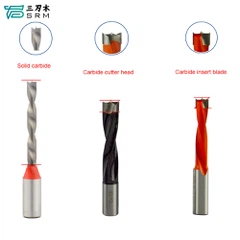
Blind dowel hole drill bits are used to create holes for dowels that do not go all the way through the material. They usually have a helix angle similar to general-purpose drill bits, around 25° to 35°. This angle ensures proper chip evacuation and a clean hole for the dowel.
Countersink Drill Bit
Countersink drill bits are used to create a conical recess at the entrance of a hole, allowing the head of a screw or bolt to sit flush with the surface. They typically have a helix angle between 30° and 40°. This angle helps to remove the material efficiently and create a smooth, clean countersink.
Through Hole Drill Bit
Through hole drill bits are designed to drill holes that go all the way through the material. They can have a wide range of helix angles depending on the material being drilled. For softer materials, a higher helix angle may be used to improve chip evacuation, while for harder materials, a lower helix angle may be more appropriate to reduce cutting force.


Selecting the Right Helix Angle
Choosing the right helix angle for a drill bit depends on several factors, including the material being drilled, the depth of the hole, the drilling speed, and the desired surface finish. Here are some general guidelines to help you select the appropriate helix angle:
- Soft Materials: For soft materials, such as wood, plastics, and aluminum, a higher helix angle (30° - 45°) is generally recommended. This helps to ensure efficient chip evacuation and a smooth drilling process.
- Hard Materials: When drilling hard materials, such as steel, cast iron, and titanium, a lower helix angle (20° - 35°) is often preferred. This reduces the cutting force and helps to prevent the drill bit from overheating and wearing out quickly.
- Deep Holes: For deep holes, a higher helix angle is beneficial because it allows the chips to be removed more easily from the bottom of the hole. This helps to prevent chip clogging and ensures a more efficient drilling process.
- High-Speed Drilling: When drilling at high speeds, a lower helix angle can help to reduce the cutting force and prevent the drill bit from deflecting or breaking. However, it is important to ensure that the chip evacuation is still adequate at high speeds.
- Surface Finish: If a high-quality surface finish is required, a higher helix angle may be more suitable because it tends to produce a smoother hole surface. However, other factors, such as the drill bit's sharpness and the drilling parameters, also play a role in the surface finish.
Importance of Quality Drill Bits
In addition to selecting the right helix angle, it is also important to use high-quality drill bits. A good drill bit will have a sharp cutting edge, proper surface treatment, and precise manufacturing tolerances. These factors contribute to better drilling performance, longer tool life, and higher-quality holes.
As a drill bit supplier, we offer a wide range of drill bits with different helix angles and specifications to meet the needs of various industries and applications. Our drill bits are made from high-quality materials and are manufactured using advanced processes to ensure optimal performance and durability.
Contact Us for Your Drill Bit Needs
If you are looking for high-quality drill bits for your drilling operations, we are here to help. Our team of experts can assist you in selecting the right drill bit with the appropriate helix angle for your specific application. We offer a comprehensive range of drill bits, including Blind Dowel Hole Drill Bit, Countersink Drill Bit, and Through Hole Drill Bit.
Contact us today to discuss your drill bit requirements and start a procurement conversation. We look forward to serving you and helping you achieve the best results in your drilling projects.
References
- Machinery's Handbook, 31st Edition
- Tool and Manufacturing Engineers Handbook, 4th Edition
- Drill Bit Selection Guide, Various Manufacturers


