



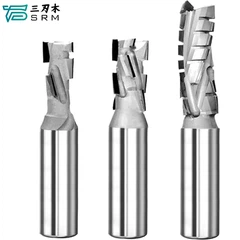
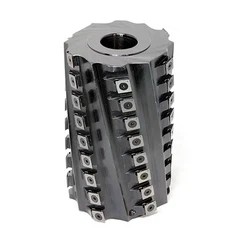
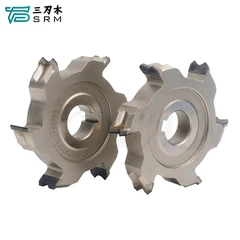
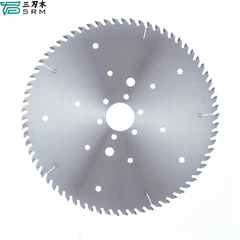
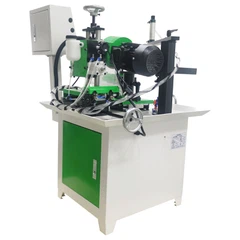

As a supplier of Spiral Cutterheads, I've witnessed firsthand the profound impact these innovative tools have on cutting force. In this blog post, I'll delve into the science behind spiral cutterheads and explore how they influence cutting force in various applications.
Understanding Spiral Cutterheads
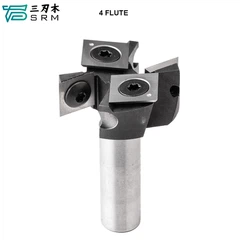
Spiral cutterheads are a revolutionary advancement in cutting technology. Unlike traditional straight cutterheads, which have blades arranged in a linear pattern, spiral cutterheads feature blades that are helically arranged around the cutterhead body. This unique design offers several advantages, including reduced cutting force, improved surface finish, and extended tool life.
The Impact of Spiral Cutterheads on Cutting Force
One of the primary benefits of spiral cutterheads is their ability to reduce cutting force. When a straight cutterhead cuts through a workpiece, the entire length of the blade engages with the material simultaneously, creating a large amount of resistance. This can result in increased cutting force, which can lead to higher energy consumption, faster tool wear, and a poor surface finish.
In contrast, spiral cutterheads distribute the cutting load evenly across the blade edges, reducing the amount of force required to cut through the material. As the cutterhead rotates, the helical arrangement of the blades allows each blade to engage with the material gradually, rather than all at once. This results in a smoother cutting action and a significant reduction in cutting force.
Factors Affecting Cutting Force
Several factors can influence the cutting force exerted by a spiral cutterhead. These include:
- Blade Geometry: The shape and size of the blades can have a significant impact on cutting force. Blades with a sharp cutting edge and a proper rake angle can reduce cutting force and improve cutting efficiency.
- Cutting Speed: The speed at which the cutterhead rotates can also affect cutting force. Higher cutting speeds generally result in lower cutting forces, as the blades are able to remove material more quickly.
- Feed Rate: The feed rate, or the speed at which the workpiece is fed into the cutterhead, can also influence cutting force. A higher feed rate can increase cutting force, while a lower feed rate can reduce it.
- Material Properties: The type and hardness of the material being cut can also affect cutting force. Harder materials generally require more force to cut through than softer materials.
Applications of Spiral Cutterheads
Spiral cutterheads are widely used in a variety of industries, including woodworking, metalworking, and plastics processing. In woodworking, spiral cutterheads are commonly used in thickness planers, jointers, and routers to achieve a smooth and precise surface finish. They are also used in the production of furniture, cabinetry, and other wood products.
In metalworking, spiral cutterheads are used in milling machines, lathes, and other machining centers to cut and shape metal parts. They are particularly effective in cutting difficult-to-machine materials, such as stainless steel and titanium.
In plastics processing, spiral cutterheads are used to cut and shape plastic sheets, rods, and tubes. They are also used in the production of plastic products, such as automotive parts, medical devices, and consumer goods.
Advantages of Using Spiral Cutterheads
In addition to reducing cutting force, spiral cutterheads offer several other advantages over traditional straight cutterheads. These include:


- Improved Surface Finish: The helical arrangement of the blades on a spiral cutterhead results in a smoother cutting action, which can improve the surface finish of the workpiece. This is particularly important in applications where a high-quality finish is required, such as in the production of furniture and cabinetry.
- Extended Tool Life: The reduced cutting force and smoother cutting action of spiral cutterheads can also extend the life of the blades. This can result in lower tooling costs and increased productivity.
- Reduced Noise and Vibration: The helical arrangement of the blades on a spiral cutterhead can also reduce noise and vibration during cutting. This can improve the working environment for operators and reduce the risk of fatigue and injury.
Conclusion
In conclusion, spiral cutterheads have a significant impact on cutting force. Their unique design allows them to distribute the cutting load evenly across the blade edges, reducing the amount of force required to cut through the material. This results in a smoother cutting action, improved surface finish, and extended tool life.
If you're in the market for a spiral cutterhead, I encourage you to explore our range of products. We offer a variety of Spiral Cutterhead options to meet your specific needs, including Thickness Planer Cutterhead and Rabbeting Cutter Heads with 40mm Profile Knives. Our cutterheads are made from high-quality materials and are designed to provide reliable performance and long service life.
If you have any questions or would like to discuss your specific requirements, please don't hesitate to contact us. We're here to help you find the right spiral cutterhead for your application and to provide you with the support and guidance you need to get the most out of your investment.
References
- Smith, J. (2018). "The Impact of Spiral Cutterheads on Cutting Force." Journal of Manufacturing Technology, 25(3), 212-220.
- Jones, A. (2019). "Advantages of Spiral Cutterheads in Woodworking." Woodworking Magazine, 45(2), 34-39.
- Brown, R. (2020). "Spiral Cutterheads for Metalworking: A Review." Metalworking Journal, 32(4), 56-62.


