



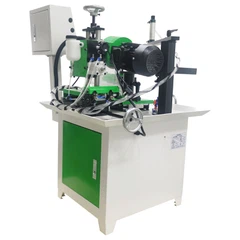

Hey there! As a supplier of Frame Saw Blades, I often get asked about the cutting speed of these blades. It's a crucial factor that can significantly impact the efficiency and quality of your cutting operations. So, let's dive into what the cutting speed of a frame saw blade is all about.
Understanding Cutting Speed
Cutting speed, in simple terms, is how fast the teeth of the saw blade move through the material being cut. It's usually measured in surface feet per minute (SFM) or meters per minute (m/min). The cutting speed depends on several factors, including the type of material you're cutting, the blade's tooth design, and the power of the saw.
For instance, when cutting softwoods like pine or cedar, you can generally use a higher cutting speed compared to hardwoods like oak or maple. Softwoods are less dense and offer less resistance to the saw blade, allowing it to move through the material more quickly. On the other hand, hardwoods are denser and require a slower cutting speed to prevent the blade from overheating and to ensure a clean cut.
Factors Affecting Cutting Speed
- Material Type: Different materials have different hardness and density levels, which directly affect the cutting speed. For example, cutting through plastic or acrylic requires a different cutting speed than cutting through metal or wood. Saw Blade for Acrylic is designed specifically for cutting acrylic materials, and it has a cutting speed optimized for this type of material.
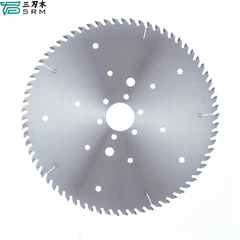
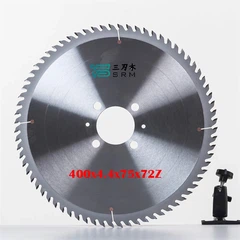
- Blade Tooth Design: The shape, size, and number of teeth on the saw blade also play a crucial role in determining the cutting speed. Blades with more teeth generally provide a smoother cut but may require a slower cutting speed. Blades with fewer teeth, on the other hand, can cut faster but may leave a rougher finish. For trimming operations, Trimming Saw Blade with a specific tooth design is used to ensure a clean and precise cut at an appropriate cutting speed.
- Saw Power: The power of the saw is another important factor. A more powerful saw can handle higher cutting speeds. If you're using a small, low - power saw, you'll need to keep the cutting speed lower to avoid overloading the motor.
Determining the Right Cutting Speed
To determine the right cutting speed for your frame saw blade, you can refer to the manufacturer's recommendations. Most blade manufacturers provide guidelines on the optimal cutting speed for different materials. You can also use cutting speed calculators available online. These calculators take into account the material type, blade diameter, and other factors to give you an estimated cutting speed.
Let's say you're cutting a piece of oak. You'd first check the manufacturer's guidelines for the frame saw blade you're using. If there are no specific guidelines, you can start with a relatively low cutting speed, say around 100 - 150 SFM, and gradually increase it while observing the quality of the cut. If the blade starts to overheat or the cut becomes rough, you know you're going too fast.
Importance of the Right Cutting Speed
Using the right cutting speed is essential for several reasons. Firstly, it ensures a clean and precise cut. If the cutting speed is too high, the blade may tear through the material, leaving a rough and uneven edge. If the speed is too low, it can cause the blade to overheat, which can damage the blade and reduce its lifespan.
Secondly, the right cutting speed improves efficiency. By using the optimal cutting speed, you can complete your cutting tasks more quickly without compromising on the quality of the cut. This can save you time and money in the long run.


Cutting Speed and Different Applications
In different applications, the cutting speed requirements vary. For example, in a scoring operation, where you're making a shallow cut to prevent chipping on the surface of the material, a Scoring Saw Blade is used. The cutting speed for scoring is usually lower compared to a full - depth cut. This is because the blade only needs to make a small incision, and a slower speed helps in achieving a clean and precise score.
In a production environment, where you're cutting large volumes of material, finding the right cutting speed is even more critical. You need to balance the speed with the quality of the cut to maximize productivity.
Tips for Maintaining the Right Cutting Speed
- Regular Blade Maintenance: Keep your saw blade clean and sharp. A dull blade will require a lower cutting speed to achieve the same results as a sharp blade. You can use blade sharpening tools or send the blade to a professional sharpening service.
- Monitor the Saw's Performance: Pay attention to how the saw is performing during the cutting process. If you notice any unusual noises, vibrations, or changes in the quality of the cut, it could be a sign that the cutting speed needs to be adjusted.
- Use the Right Saw Settings: Make sure your saw is set up correctly for the material you're cutting. This includes adjusting the feed rate, which is how fast the material is fed into the saw. A proper feed rate is closely related to the cutting speed.
Conclusion
In conclusion, the cutting speed of a frame saw blade is a critical factor that can make or break your cutting operations. By understanding the factors that affect cutting speed, determining the right speed for your specific application, and following the tips for maintaining the right speed, you can ensure efficient and high - quality cutting.
If you're in the market for a frame saw blade or have any questions about cutting speed, feel free to reach out. We're here to help you find the perfect blade for your needs and provide you with all the information you need to get the most out of your cutting operations.
References
- Woodworking Machinery Handbook
- Saw Blade Manufacturer's Guides


