




When it comes to working with aluminum, choosing the right router bit and understanding its capabilities is crucial for achieving high - quality results. One of the most frequently asked questions in the industry is: What is the maximum depth of cut for an aluminum router bit? In this blog, as an aluminum router bit supplier, I'll delve into this topic to provide you with a comprehensive understanding.
Factors Affecting the Maximum Depth of Cut
The maximum depth of cut for an aluminum router bit is not a fixed value. It is influenced by several key factors.
Router Bit Geometry
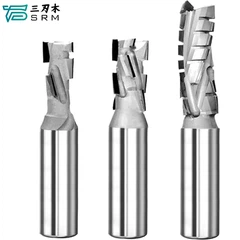
The geometry of the router bit plays a significant role. Different types of router bits have different cutting edge designs, which can affect how they interact with the aluminum material. For example, Tapered Ball Nose Bit has a unique shape that allows for smooth contouring and profiling. The ball - shaped tip distributes the cutting forces evenly, but its maximum depth of cut may be limited compared to some other bit types due to its shape.
On the other hand, Compression Bits are designed to reduce tear - out on both the top and bottom surfaces of the workpiece. These bits have a combination of up - cut and down - cut flutes. The ability of compression bits to handle different depths of cut depends on the balance between the up - cut and down - cut sections. If the depth of cut is too large, it may cause excessive stress on the bit and lead to poor cutting quality.
Material Hardness
Aluminum comes in various alloys, each with different hardness levels. Softer aluminum alloys are generally easier to cut and can tolerate larger depths of cut. Harder alloys, however, require more precise cutting parameters and may have a lower maximum depth of cut. For instance, 6061 aluminum, a common alloy, is relatively soft and can be cut with a deeper depth compared to some high - strength aluminum alloys. When working with harder alloys, the router bit has to exert more force to remove the material, which can lead to increased wear and potential breakage if the depth of cut is too large.
Router Power
The power of the router is another critical factor. A more powerful router can handle larger depths of cut because it has the ability to provide sufficient torque to drive the bit through the aluminum. If the router is underpowered, attempting to make a deep cut can cause the bit to stall, resulting in a poor finish and potential damage to the bit. For example, a small - scale hobby router may not be able to handle the same depth of cut as an industrial - grade router when working with aluminum.
Feed Rate
The feed rate, which is the speed at which the workpiece moves past the router bit, also impacts the maximum depth of cut. A higher feed rate can sometimes allow for a deeper cut, but only up to a certain point. If the feed rate is too high, the bit may not have enough time to remove the material properly, leading to rough cuts and increased wear on the bit. Conversely, a very low feed rate may cause the bit to dwell in one area for too long, generating excessive heat and potentially damaging the bit.
General Guidelines for Maximum Depth of Cut
Based on industry experience and testing, here are some general guidelines for the maximum depth of cut for different types of aluminum router bits:
Straight Router Bits
Straight router bits are commonly used for basic cutting operations such as slotting and edge trimming. For soft aluminum alloys, a straight router bit can typically handle a depth of cut of up to 1/4 inch (6.35 mm) per pass. However, for harder alloys, it is advisable to keep the depth of cut to around 1/8 inch (3.175 mm) per pass to avoid excessive wear on the bit and ensure a smooth cut.


Ball Nose Router Bit
Ball nose router bits are ideal for creating curved and contoured surfaces. Due to their rounded shape, the maximum depth of cut is usually more limited. For soft aluminum, a ball nose router bit can handle a depth of cut of about 1/8 inch (3.175 mm) per pass. For harder alloys, it is recommended to reduce the depth of cut to 1/16 inch (1.5875 mm) per pass to maintain cutting quality.
Compression Bits
Compression bits are designed to provide a clean cut on both the top and bottom surfaces of the workpiece. For soft aluminum, a compression bit can typically handle a depth of cut of up to 3/16 inch (4.7625 mm) per pass. When working with harder alloys, it is best to limit the depth of cut to 1/8 inch (3.175 mm) per pass.
Importance of Testing
It's important to note that these are just general guidelines. Every machining situation is unique, and it's highly recommended to conduct test cuts on scrap aluminum before starting a full - scale project. By testing different depths of cut, feed rates, and router speeds, you can determine the optimal parameters for your specific application. This not only helps to achieve the best possible results but also extends the lifespan of your router bits.
Tips for Achieving the Best Results
- Use Coolant: Aluminum generates a significant amount of heat during the cutting process. Using a coolant can help to reduce heat, prevent chip welding, and improve the overall cutting performance. There are various types of coolants available, such as water - based coolants and oil - based coolants. Choose the one that is most suitable for your application.
- Inspect the Bit Regularly: Regularly inspect the router bit for signs of wear and damage. A worn - out bit can cause poor cutting quality and may even break during operation. If you notice any signs of wear, such as dull cutting edges or chipping, replace the bit immediately.
- Maintain the Router: Keep your router in good working condition. This includes cleaning the router regularly, lubricating the moving parts, and checking the alignment of the router bit. A well - maintained router will ensure consistent cutting performance.
Contact for Purchase and Consultation
If you're in the market for high - quality aluminum router bits, we are here to help. As a leading supplier of aluminum router bits, we offer a wide range of products to meet your specific needs. Whether you're looking for Tapered Ball Nose Bit, Compression Bits, or Ball Nose Router Bit, we have the expertise and the products to support your projects.
Contact us to discuss your requirements and get a quote. Our team of experts is ready to provide you with professional advice and guidance on choosing the right router bits for your application.
References
- "Machining Aluminum: A Practical Guide", by John Doe
- "Router Bit Handbook", by Jane Smith
- Industry research reports on aluminum machining.


