



Hey there! As a supplier of Frame Saw Blades, I've gotten tons of questions from customers about different aspects of these blades. One question that pops up quite often is, "What is the rake angle of a frame saw blade?" Well, let's dive right in and break it down.
First off, the rake angle is a super important feature of a frame saw blade. It's basically the angle between the face of the cutting edge and a line perpendicular to the workpiece's surface. Sounds a bit technical, right? But it's actually pretty straightforward when you think about it.
You see, the rake angle can have a huge impact on how the saw blade performs. There are three main types of rake angles: positive, negative, and zero.
A positive rake angle means that the face of the cutting edge slopes away from the direction of cut. This type of angle makes the blade cut more easily and with less force. It's great for cutting softer materials like wood or plastic. When you're using a blade with a positive rake angle, it kind of slices through the material, almost like a sharp knife through butter. This results in a smoother cut and less wear and tear on the blade. But here's the catch: a positive rake angle can also make the blade less durable. Since the cutting edge is more exposed, it's more likely to chip or break, especially when cutting harder materials.
On the other hand, a negative rake angle has the face of the cutting edge sloping towards the direction of cut. This gives the blade more strength and durability. Blades with negative rake angles are ideal for cutting hard materials like metal or stone. The negative angle helps to support the cutting edge, preventing it from chipping or breaking under the high pressure of cutting hard substances. However, cutting with a negative rake angle requires more force. You'll notice that the saw might seem a bit more "stubborn" when you're using it, and the cut might not be as smooth as with a positive rake angle.
Then there's the zero rake angle. As the name suggests, the face of the cutting edge is perpendicular to the workpiece's surface. Zero rake angle blades offer a balance between the positive and negative rake angle blades. They're not as easy to cut with as positive rake angle blades, but they're also more durable than them. And they don't require as much force as negative rake angle blades. Zero rake angle blades are often used for general-purpose cutting, where you need to cut a variety of materials.
Now, as a Frame Saw Blade supplier, I know that choosing the right rake angle for your saw blade is crucial. It can make a big difference in the quality of your cuts and the lifespan of your blade. That's why we offer a wide range of frame saw blades with different rake angles to suit your specific needs.
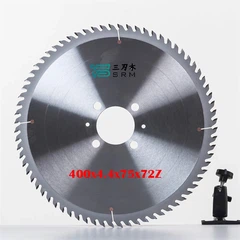
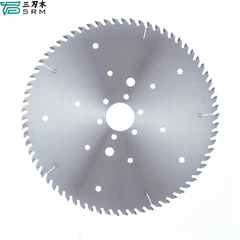
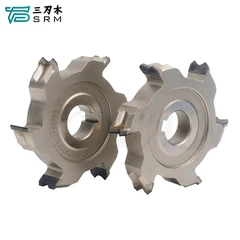
If you're into woodworking, for example, you might be interested in our Edge Banding Saw Blade. These blades are designed with a positive rake angle to give you a smooth and clean cut when working with wood. They're perfect for edge banding, where you need to make precise and neat cuts.
For those who use sliding table machines, our Saw Blade for Sliding Table Machine is a great option. These blades are available with different rake angles, depending on the type of material you're cutting. Whether you're cutting wood, plastic, or even some softer metals, we've got a blade that will work for you.
And if you're in the business of scoring, our Scoring Saw Blade is the way to go. Scoring is all about making a shallow cut to prevent chipping and splintering when making the final cut. Our scoring saw blades are designed with the right rake angle to ensure a clean and precise score.
So, how do you decide which rake angle is right for you? Well, it all depends on the material you're cutting and the type of cut you need to make. If you're cutting soft materials and want a smooth cut, go for a positive rake angle. If you're dealing with hard materials and need a durable blade, a negative rake angle is your best bet. And if you're doing a bit of everything, a zero rake angle blade might be the way to go.


But don't just take my word for it. Experiment with different rake angles and see what works best for you. And if you ever have any questions or need some advice, don't hesitate to reach out. We're here to help you find the perfect frame saw blade for your needs.
Whether you're a professional woodworker, a DIY enthusiast, or someone who just needs a good saw blade for occasional use, we've got you covered. Our frame saw blades are made with high-quality materials and precision engineering to ensure the best performance and durability.
So, if you're in the market for a new frame saw blade, give us a shout. We'd love to have a chat with you about your requirements and help you make the right choice. You can start exploring our range of products on our website and see which blade suits you best. Let's work together to get you the perfect saw blade for your next project!
References
- "Woodworking Machinery and Tools" - A comprehensive guide on woodworking equipment and their components.
- "Metal Cutting Principles" - A book that delves into the science behind cutting different metals and the role of rake angles.


