



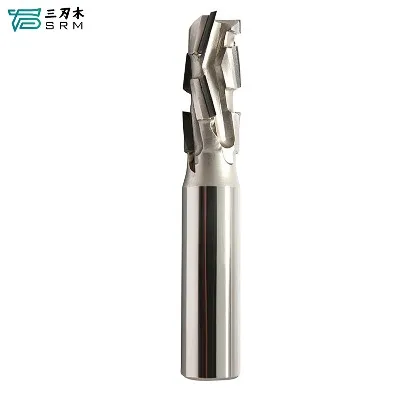

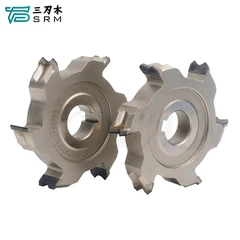
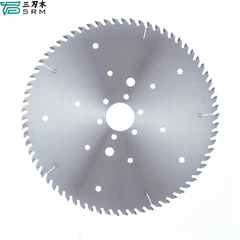


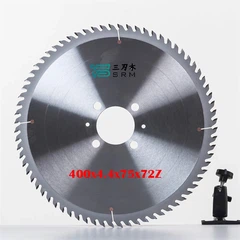

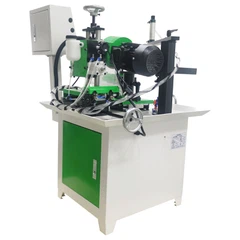

Hey there! I'm a supplier of Spiral Cutterheads, and today I wanna chat about whether a spiral cutterhead can be used for cutting composites.
First off, let's understand what composites are. Composites are materials made by combining two or more different substances with different physical or chemical properties. They're often used in various industries because they can offer unique advantages like high strength - to - weight ratios, corrosion resistance, and more. Examples of composites include fiberglass, carbon fiber composites, and wood - plastic composites.
Now, let's talk about spiral cutterheads. A spiral cutterhead is a pretty nifty tool. It has multiple cutting edges arranged in a spiral pattern around the cutterhead. This design offers several benefits. For one, it provides a smoother cut compared to traditional straight - blade cutterheads. The spiral arrangement of the blades means that the cutting forces are distributed more evenly, reducing vibration and chatter during the cutting process. This results in a better surface finish on the workpiece.
So, can a spiral cutterhead be used for cutting composites? The answer is a big yes, but with some considerations.
Advantages of Using Spiral Cutterheads for Composites
1. Surface Finish
As I mentioned earlier, the spiral design of the cutterhead helps in achieving a superior surface finish. When cutting composites, this is crucial. Composites often have a fine structure, and a rough cut can damage the fibers or the matrix material. A spiral cutterhead can make clean cuts, minimizing fraying and delamination of the composite layers. For instance, when cutting carbon fiber composites, a smooth cut is essential to maintain the integrity of the fibers and the overall strength of the material.
2. Reduced Heat Generation
During the cutting process, heat is generated. Excessive heat can be a problem when cutting composites because it can cause thermal damage to the material. The spiral cutterhead's design allows for better chip evacuation. The chips are quickly removed from the cutting area, which helps in reducing heat buildup. This is especially important for composites that are sensitive to high temperatures, like some types of plastic - based composites.
3. Longer Tool Life
Spiral cutterheads generally have a longer tool life when cutting composites. The even distribution of cutting forces means that the blades wear more evenly. This is in contrast to straight - blade cutterheads, where the cutting forces are concentrated on a smaller area, leading to faster wear. With a longer tool life, you can save on tool replacement costs and reduce downtime for tool changes.
Challenges and Considerations
1. Material Hardness and Abrasiveness
Composites can vary widely in terms of hardness and abrasiveness. Some composites, like those with a high content of hard fibers or particles, can be very abrasive. This can cause rapid wear of the cutterhead blades. When choosing a spiral cutterhead for cutting composites, you need to select the right type of blades. Carbide blades are often a good choice because they are more resistant to wear compared to high - speed steel blades. You can check out our Disposable Carbide Blade Tenon Milling Cutter for an option that's suitable for cutting abrasive composites.
2. Cutting Parameters
The cutting parameters, such as cutting speed, feed rate, and depth of cut, need to be carefully adjusted when using a spiral cutterhead for composites. If the cutting speed is too high, it can cause excessive heat generation and damage the composite. On the other hand, if the feed rate is too low, it can lead to a poor surface finish and increased tool wear. It's important to do some test cuts and optimize the cutting parameters for the specific composite material you're working with.
3. Chip Evacuation
Although spiral cutterheads are generally good at chip evacuation, some composites can produce chips that are difficult to remove. For example, some plastic - based composites can produce sticky chips. In such cases, you may need to use additional chip evacuation methods, like using a vacuum system or air blowers, to ensure that the chips are removed from the cutting area effectively.


Applications of Spiral Cutterheads in Composite Cutting
1. Aerospace Industry
In the aerospace industry, composites are widely used due to their lightweight and high - strength properties. Spiral cutterheads are used for cutting carbon fiber composites to make parts like aircraft wings, fuselages, and interior components. The smooth surface finish provided by the spiral cutterhead is essential to meet the strict quality standards of the aerospace industry.
2. Automotive Industry
The automotive industry is also increasingly using composites to reduce vehicle weight and improve fuel efficiency. Spiral cutterheads are used for cutting fiberglass and carbon fiber composites to make parts such as body panels, bumpers, and interior trim. The ability of the spiral cutterhead to make clean cuts helps in ensuring the proper fit and finish of these parts.
3. Furniture Industry
In the furniture industry, wood - plastic composites are commonly used. Spiral cutterheads can be used for cutting these composites to make furniture components. The smooth cut and reduced heat generation help in maintaining the appearance and quality of the furniture parts. You can find more cutterhead options for different applications on our Spiral Cutterhead page.
Tips for Using Spiral Cutterheads with Composites
1. Blade Selection
As I mentioned earlier, choose the right type of blades for the composite material. Carbide blades are a good choice for most abrasive composites. Make sure the blades are sharp and properly installed on the cutterhead.
2. Maintenance
Regular maintenance of the spiral cutterhead is essential. Clean the cutterhead after each use to remove any chips or debris. Check the blades for wear and replace them when necessary. This will ensure that the cutterhead continues to perform well and provide a good surface finish.
3. Safety
When cutting composites, it's important to follow safety procedures. Wear appropriate personal protective equipment, such as safety glasses, gloves, and a dust mask. Composites can produce fine dust during the cutting process, which can be harmful if inhaled.
In conclusion, a spiral cutterhead can definitely be used for cutting composites, and it offers many advantages. However, you need to be aware of the challenges and take the necessary precautions. If you're in the market for a high - quality spiral cutterhead for cutting composites, we've got you covered. We offer a wide range of spiral cutterheads, including Cutter Heads for Rabbeting, that are suitable for different composite cutting applications.
If you're interested in learning more about our products or have any questions about using spiral cutterheads for composites, feel free to reach out. We're here to help you make the right choice for your cutting needs. Whether you're a small - scale workshop or a large - scale manufacturing facility, we can provide you with the right tools and support. Let's start a conversation about how our spiral cutterheads can enhance your composite cutting operations.
References
- "Machining of Composite Materials" by P. K. Mallick
- "Advanced Machining Processes" by P. C. Pandey and S. C. Sharma


