








Can a Step Router Bit be used for edge profiling?
In the world of woodworking and machining, router bits are essential tools that come in a wide variety of shapes and sizes, each designed for specific tasks. One such type is the step router bit. As a step router bit supplier, I often get asked whether a step router bit can be used for edge profiling. In this blog post, I'll delve into this question, exploring the capabilities of step router bits and their suitability for edge profiling.
Understanding Step Router Bits
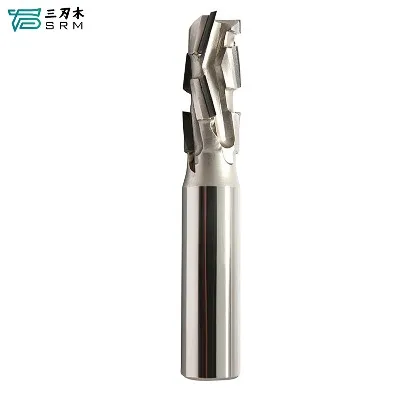
Before we discuss edge profiling, let's first understand what a step router bit is. A step router bit typically has multiple cutting edges at different diameters, creating a stepped profile. These bits are commonly used for tasks such as creating rabbets, dadoes, and grooves. The stepped design allows for precise control over the depth and width of the cut, making them ideal for creating intricate joints and profiles.
The construction of a step router bit is designed to handle different types of materials, including wood, plastic, and composite materials. The cutting edges are usually made of high - quality carbide, which provides durability and sharpness, ensuring clean and accurate cuts.
Edge Profiling: What is it?
Edge profiling refers to the process of shaping the edges of a workpiece to achieve a desired aesthetic or functional effect. This can involve creating rounded edges, beveled edges, or more complex decorative profiles. Edge profiling is commonly used in furniture making, cabinetry, and other woodworking projects to enhance the appearance and functionality of the finished product.
There are various tools available for edge profiling, including straight router bits, roundover bits, and bevel bits. Each type of bit is designed to create a specific type of edge profile.
Can a Step Router Bit be Used for Edge Profiling?
The short answer is yes, a step router bit can be used for edge profiling, but with some limitations.
Advantages of Using a Step Router Bit for Edge Profiling
- Versatility: One of the main advantages of using a step router bit for edge profiling is its versatility. The multiple steps on the bit allow you to create a variety of edge profiles. For example, you can use the different steps to create a stepped bevel or a multi - level edge profile. This can add a unique and decorative touch to your workpiece.
- Precision: Step router bits are known for their precision. The stepped design allows for accurate control over the depth and width of the cut, which is crucial when creating edge profiles. You can achieve consistent results, ensuring that the edges of your workpiece are uniform and of high quality.
- Material Compatibility: As mentioned earlier, step router bits can be used with a variety of materials. Whether you're working with hardwood, softwood, or plastic, a step router bit can handle the task. This makes it a useful tool for edge profiling different types of workpieces.
Limitations of Using a Step Router Bit for Edge Profiling
- Limited Profile Options: While step router bits offer some versatility, they are not as versatile as some specialized edge profiling bits. For example, if you want to create a smooth, rounded edge, a roundover bit would be a better choice. Step router bits are more suitable for creating stepped or angular profiles.
- Complexity of Use: Using a step router bit for edge profiling can be more complex than using a dedicated edge profiling bit. You need to carefully select the appropriate step on the bit and adjust the router settings to achieve the desired profile. This requires some skill and experience.
Comparing Step Router Bits with Other Router Bits for Edge Profiling
To better understand the suitability of step router bits for edge profiling, let's compare them with other common router bits used for this purpose.
Straight Router Bit With Chip Breaker
A Straight Router Bit With Chip Breaker is a basic router bit used for creating straight cuts and edges. It is not designed for complex edge profiling but can be used for simple beveling or squaring of edges. Compared to a step router bit, a straight router bit with a chip breaker is more limited in terms of the profiles it can create. However, it is easier to use and is a good choice for beginners or for simple edge profiling tasks.
Carbide Tipped Straight Router Bit
A Carbide Tipped Straight Router Bit is similar to a straight router bit with a chip breaker but has carbide tips for increased durability and cutting performance. Like the straight router bit with a chip breaker, it is mainly used for straight cuts and simple edge profiling. While it offers better cutting quality and longevity, it is also limited in terms of the profiles it can create compared to a step router bit.
Ball Nose Engraving Bit
A Ball Nose Engraving Bit is designed for creating curved and rounded profiles. It is ideal for creating decorative edges and intricate designs. Unlike a step router bit, which is better suited for stepped or angular profiles, a ball nose engraving bit can create smooth, flowing curves. This makes it a better choice for projects that require a more organic or decorative edge profile.
Tips for Using a Step Router Bit for Edge Profiling
If you decide to use a step router bit for edge profiling, here are some tips to help you achieve the best results:
- Choose the Right Bit: Select a step router bit with the appropriate step sizes and configurations for the edge profile you want to create. Consider the material you're working with and the thickness of the workpiece.
- Adjust the Router Settings: Set the router speed and depth of cut according to the manufacturer's recommendations. Make sure the router is properly secured to prevent any movement during the cutting process.
- Test on a Scrap Piece: Before working on your actual workpiece, test the step router bit on a scrap piece of the same material. This will allow you to adjust the settings and ensure that you're achieving the desired edge profile.
- Use a Guide: To ensure straight and accurate cuts, use a router guide or a template. This will help you maintain a consistent edge profile and prevent any mistakes.
Conclusion
In conclusion, a step router bit can be used for edge profiling, but it has its advantages and limitations. It offers versatility and precision, making it suitable for creating stepped or angular edge profiles. However, it may not be the best choice for creating smooth, rounded profiles. If you're looking for a tool that can handle a variety of edge profiling tasks, a step router bit can be a valuable addition to your toolkit.


As a step router bit supplier, I'm committed to providing high - quality products and excellent customer service. If you're interested in purchasing step router bits or have any questions about edge profiling, I encourage you to contact me for a detailed discussion. Whether you're a professional woodworker or a hobbyist, I'm here to help you find the right tools for your projects.
References
- Woodworking Machinery and Tools Handbook, various editions
- Router Bit Manufacturer's Guides


