



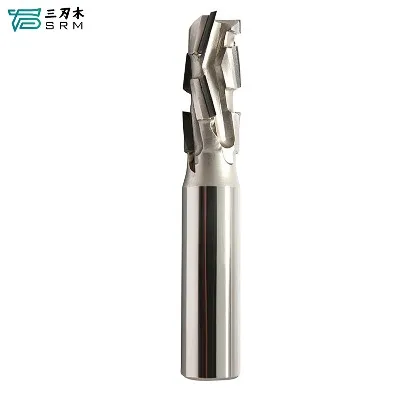





As a seasoned supplier of ball nose router bits, I've witnessed firsthand the profound impact that the helix angle can have on the performance of these essential cutting tools. In this blog post, I'll delve into the intricacies of helix angles and explain how they can affect the performance of ball nose router bits.
Understanding Helix Angles
Before we dive into the impact of helix angles on ball nose router bit performance, let's first understand what a helix angle is. The helix angle refers to the angle at which the flutes of a router bit twist around the bit's shank. It is measured in degrees and can vary depending on the specific design and intended use of the router bit.
Helix angles can range from low angles (around 20 - 30 degrees) to high angles (60 degrees or more). Each type of helix angle offers unique advantages and disadvantages, making it crucial to choose the right one for your specific application.
Chip Evacuation
One of the primary ways in which the helix angle affects the performance of a ball nose router bit is through chip evacuation. When a router bit cuts through a material, it generates chips. These chips need to be removed from the cutting area quickly and efficiently to prevent them from clogging the flutes and causing the bit to overheat.
Low helix angle router bits, typically with angles between 20 - 30 degrees, have a more gradual twist in their flutes. This design allows for slower chip evacuation but provides greater strength and stability. They are ideal for cutting through dense materials such as hardwoods, where the chips are larger and more difficult to remove.
On the other hand, high helix angle router bits, with angles of 60 degrees or more, have a steeper twist in their flutes. This design enables faster chip evacuation, as the chips are quickly pushed out of the cutting area. High helix angle bits are better suited for cutting through softer materials such as plastics and aluminum, where the chips are smaller and easier to manage.
Cutting Forces
The helix angle also plays a significant role in determining the cutting forces exerted by a ball nose router bit. Cutting forces refer to the amount of pressure required to cut through a material. Lower helix angle bits tend to generate higher cutting forces because the chips are removed more slowly, which can result in more resistance during the cutting process.
This higher cutting force can be beneficial when working with hard materials, as it allows the bit to penetrate the material more effectively. However, it can also lead to increased wear and tear on the bit and the router itself. High helix angle bits, on the other hand, generate lower cutting forces due to their faster chip evacuation. This can reduce the stress on the bit and the router, resulting in longer tool life and smoother cuts.
Surface Finish
Another important factor affected by the helix angle is the surface finish of the cut. A good surface finish is essential for achieving a professional-looking result, especially in applications such as Carving Letters In Wood.
Low helix angle bits tend to produce a rougher surface finish because the slower chip evacuation can cause the chips to rub against the workpiece, leaving behind small scratches and imperfections. High helix angle bits, however, typically result in a smoother surface finish due to their faster chip evacuation, which reduces the chances of chips rubbing against the workpiece.
Vibration and Noise
Vibration and noise are common issues when using router bits, and the helix angle can have a significant impact on both. Low helix angle bits are more prone to vibration because of the higher cutting forces they generate. This vibration can not only affect the quality of the cut but also cause discomfort for the operator and potentially damage the router.
High helix angle bits, on the other hand, tend to produce less vibration and noise due to their lower cutting forces and faster chip evacuation. This makes them a more comfortable and efficient option for extended use.
Choosing the Right Helix Angle
When selecting a ball nose router bit, it's essential to consider the specific requirements of your application. If you're working with hard materials and need a bit that can withstand high cutting forces, a low helix angle bit may be the best choice. However, if you're cutting through softer materials and require a smooth surface finish and minimal vibration, a high helix angle bit is likely to be more suitable.


It's also worth noting that some router bits come with variable helix angles. These bits combine the advantages of both low and high helix angles, offering a versatile solution for a wide range of applications.
Other Router Bit Types
In addition to ball nose router bits, there are several other types of router bits available, each with its own unique features and applications. For example, Lock Hole Router Bit is specifically designed for creating lock holes in doors and other wooden structures. These bits typically have a straight shank and a specialized cutting edge that allows for precise and clean cuts.
Straight Router Bit is another common type of router bit. As the name suggests, it has a straight cutting edge and is used for making straight cuts, dadoes, and rabbets. Straight router bits are available in a variety of diameters and lengths, making them suitable for a wide range of applications.
Conclusion
In conclusion, the helix angle is a critical factor that can significantly affect the performance of a ball nose router bit. By understanding the relationship between helix angle, chip evacuation, cutting forces, surface finish, vibration, and noise, you can make an informed decision when selecting the right router bit for your specific application.
As a supplier of high-quality ball nose router bits, I'm committed to providing my customers with the best products and technical support. Whether you're a professional woodworker or a DIY enthusiast, I can help you find the perfect router bit to meet your needs.
If you're interested in learning more about our ball nose router bits or other router bit products, please don't hesitate to contact us. We look forward to discussing your requirements and helping you achieve the best results in your woodworking projects.
References
- Machinery's Handbook, 31st Edition
- Woodworking Magazine - Router Bit Basics
- Router Manufacturer's Technical Guides


