




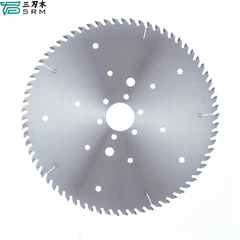


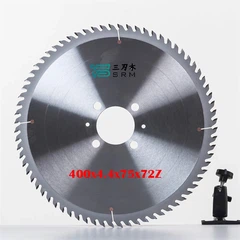

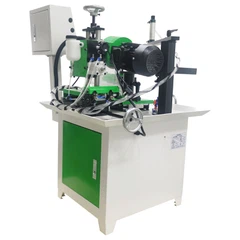

Blade balance is a critical factor in the performance and longevity of trimming saw blades. As a supplier of high - quality Trimming Saw Blade, I have witnessed firsthand how proper blade balance can make a significant difference in the woodworking industry. In this blog post, I will delve into the importance of blade balance in trimming saw blades and explain why it should be a top consideration for woodworkers and manufacturers alike.


Understanding Blade Balance
Before we discuss the importance of blade balance, it's essential to understand what it means. A balanced blade is one where the distribution of mass around the blade's axis of rotation is uniform. When a blade is unbalanced, there are uneven weight distributions, which can cause the blade to vibrate during operation. This vibration can have several negative consequences, affecting both the quality of the cut and the overall performance of the saw.
Impact on Cutting Quality
One of the most immediate effects of an unbalanced trimming saw blade is a poor - quality cut. When a blade vibrates, it doesn't move through the material in a smooth, consistent manner. This can lead to rough edges, tear - outs, and inaccurate cuts. In woodworking, where precision is often crucial, these issues can be a major problem. For example, in cabinet making or furniture production, a rough or inaccurate cut can ruin an entire piece, leading to wasted materials and increased production costs.
A balanced blade, on the other hand, cuts through the material cleanly and smoothly. It maintains a consistent cutting path, resulting in a high - quality finish. This is especially important when working with expensive or high - end woods, where the appearance of the final product is of utmost importance. Whether you're creating a fine - crafted table or a detailed cabinet, a balanced Trimming Saw Blade will help you achieve the best possible results.
Machine Wear and Tear
Another significant aspect of blade balance is its impact on the saw machine itself. An unbalanced blade creates excessive vibrations that are transferred to the saw's motor, bearings, and other components. Over time, these vibrations can cause accelerated wear and tear on the machine. The bearings may start to wear out more quickly, leading to increased friction and heat generation. This can not only reduce the lifespan of the machine but also increase the risk of breakdowns and costly repairs.
In contrast, a balanced blade reduces the stress on the saw machine. The smooth operation means that the motor and other components don't have to work as hard to maintain the cutting process. This can significantly extend the lifespan of the saw, saving woodworkers and manufacturers money in the long run. By investing in a balanced Trimming Saw Blade, you're also investing in the longevity of your sawing equipment.
Safety Considerations
Safety is always a top priority in any woodworking environment. An unbalanced blade poses a significant safety risk. The excessive vibrations can cause the blade to become unstable, increasing the likelihood of kickbacks. A kickback occurs when the blade suddenly throws the workpiece back towards the operator, which can result in serious injuries.
Moreover, the vibrations from an unbalanced blade can also cause the saw to move or shift during operation. This can make it difficult for the operator to maintain control of the machine, further increasing the risk of accidents. A balanced blade, however, operates more stably, reducing the chances of kickbacks and other safety hazards. By ensuring that your trimming saw blade is properly balanced, you're creating a safer working environment for everyone involved.
Productivity and Efficiency
In a production - oriented woodworking environment, productivity and efficiency are key. An unbalanced blade can slow down the cutting process. The rough cuts may require additional sanding or finishing work to achieve the desired quality, which adds extra time to the production cycle. Additionally, the increased wear and tear on the saw machine can lead to more frequent breakdowns and maintenance, resulting in downtime.
A balanced Trimming Saw Blade allows for faster and more efficient cutting. The smooth operation means that the blade can cut through the material at a higher speed without sacrificing quality. This can significantly increase the output of a woodworking shop, allowing manufacturers to meet deadlines and increase their profitability.
Types of Blade Balance
There are two main types of blade balance: static balance and dynamic balance. Static balance refers to the distribution of mass around the blade's axis when the blade is at rest. A statically balanced blade will not tip to one side when placed on a pivot point. While static balance is important, it may not be sufficient for high - speed or precision cutting applications.
Dynamic balance, on the other hand, takes into account the forces acting on the blade when it is in motion. A dynamically balanced blade is designed to minimize vibrations at high speeds. This type of balance is crucial for trimming saw blades, as they often operate at high rotational speeds. At our company, we ensure that all our Trimming Saw Blade products are both statically and dynamically balanced to provide the best possible performance.
Maintaining Blade Balance
Maintaining blade balance is an ongoing process. Over time, a blade can become unbalanced due to factors such as wear, damage, or the build - up of resin or other debris. Regular inspection and maintenance are essential to ensure that the blade remains balanced. Woodworkers should clean their blades regularly to remove any debris that could affect the balance. Additionally, if a blade shows signs of wear or damage, it should be replaced or repaired promptly.
Related Products and Their Balance Requirements
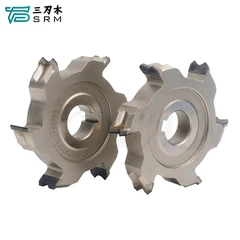
In addition to trimming saw blades, other circular wood saw blades also require proper balance. For example, Edge Banding Saw Blade is used for applying edge banding to wood panels. A balanced edge - banding saw blade is essential for achieving a clean and precise cut, which is crucial for a seamless edge - banding application.
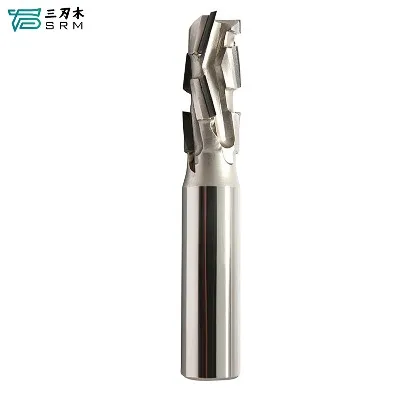
Another related product is the Hogging Cutter for Double End Tenoner. This cutter is used for rough - cutting and shaping wood in double - end tenoning machines. A balanced hogging cutter ensures smooth and efficient operation, reducing the risk of vibration - related issues and improving the quality of the tenoned joints.
Conclusion
In conclusion, blade balance is of utmost importance in trimming saw blades. It affects the cutting quality, machine wear and tear, safety, productivity, and efficiency. As a supplier of Trimming Saw Blade, we understand the critical role that blade balance plays in the woodworking industry. We are committed to providing our customers with high - quality, well - balanced blades that meet the highest standards of performance and reliability.
If you're in the market for a trimming saw blade or any other circular wood saw products, we encourage you to contact us for a detailed discussion. Our team of experts can help you choose the right blade for your specific needs and ensure that you get the best value for your investment. Let's work together to improve your woodworking operations and achieve the best possible results.
References
- Woodworking Machinery Handbook
- Circular Saw Blade Technology Manuals
- Industry research on the impact of blade balance in woodworking


