

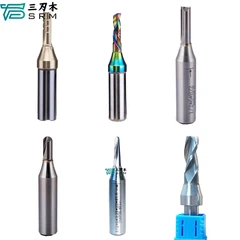
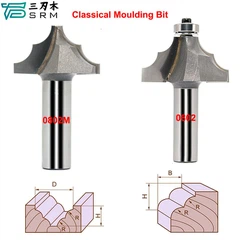
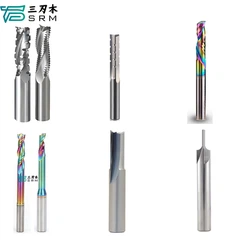

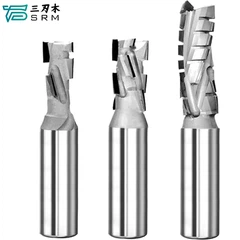
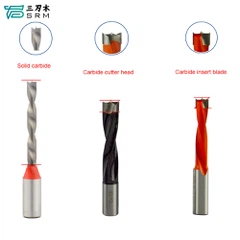
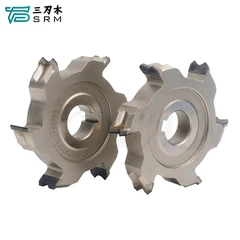
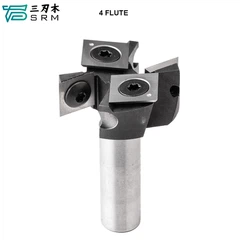

Hey there, fellow woodworkers and DIY enthusiasts! As a supplier of Lock Hole Router Bits, I get a ton of questions about the right speed settings for using these bits. It's crucial to get this right, because the speed can have a huge impact on the quality of your work, the lifespan of your router bit, and even your safety. So, let's dive into what speed setting is best for using a Lock Hole Router Bit.
Understanding Router Bit Speeds
First off, let's talk about why speed matters. The speed of your router is measured in revolutions per minute (RPM). When you're using a Lock Hole Router Bit, the RPM affects how the bit cuts through the material. If the speed is too low, the bit might not cut cleanly, resulting in rough edges or tear - out. On the other hand, if the speed is too high, the bit can overheat, wear out quickly, and even cause the material to burn.
The ideal speed setting depends on a few key factors. One of the most important is the material you're working with. Different materials have different hardness levels, which require different cutting speeds. For example, softer woods like pine or cedar are a lot easier to cut through than harder woods like oak or maple.
Speed Settings for Different Materials
Softwoods
When working with softwoods, you can generally use a higher RPM. Softwoods are less dense, so the bit can cut through them more easily. A good starting point for speed when using a Lock Hole Router Bit on softwoods is around 18,000 - 22,000 RPM. This speed allows the bit to make a clean cut without causing too much stress on the wood. At this speed, you'll notice that the bit glides through the wood smoothly, leaving behind a nice, finished edge.
Hardwoods
Hardwoods, on the other hand, are much denser. They require a lower speed to prevent the bit from overheating and to ensure a clean cut. For hardwoods, I recommend starting at around 12,000 - 16,000 RPM. This slower speed gives the bit more time to break through the dense fibers of the wood, reducing the risk of tear - out and burning. You might need to experiment a bit to find the perfect speed for the specific type of hardwood you're working with.
Other Materials
If you're working with materials other than wood, like plastics or composites, you'll need to adjust the speed accordingly. For plastics, a lower speed than softwoods is usually best, around 10,000 - 14,000 RPM. Plastics can melt if the bit gets too hot, so keeping the speed down helps prevent this. Composites can vary widely in their hardness, so it's a good idea to test a small piece first to find the right speed.


Router Bit Size and Speed
Another factor that affects the speed setting is the size of the Lock Hole Router Bit. Generally, larger bits need to run at lower speeds compared to smaller bits. This is because the outer edge of a larger bit travels a greater distance in one revolution than a smaller bit. As a result, it generates more heat and requires more power to cut through the material. So, if you're using a larger diameter Lock Hole Router Bit, you should lower the RPM to avoid overheating and ensure a smooth cut.
Tips for Finding the Right Speed
Finding the perfect speed setting for your Lock Hole Router Bit can take a bit of trial and error. Here are some tips to help you out:
- Start Slow: Always start with a lower speed and gradually increase it until you find the sweet spot. This way, you can avoid making mistakes and damaging your bit or the material.
- Test on Scrap Wood: Before you start working on your main project, test the speed on a piece of scrap wood that's the same type as your project. This will give you a good idea of how the bit performs at different speeds.
- Listen to the Router: Pay attention to the sound of the router. If it sounds like it's struggling, the speed might be too low. If it's making a high - pitched whining noise, the speed might be too high.
Related Router Bits
If you're into woodworking, you might also be interested in other types of router bits. For instance, Carving Letters In Wood can add a personal touch to your projects. These bits are designed specifically for creating intricate lettering and designs in wood.
Acrylic Router Bits are great if you're working with acrylic materials. They are engineered to cut through acrylic smoothly without causing cracking or chipping.
And if you need to do some heavy - duty roughing work, Roughing End Mill Cutter is the way to go. These cutters can quickly remove large amounts of material, making them perfect for shaping and preparing your workpieces.
Closing Thoughts
The speed setting for using a Lock Hole Router Bit is a crucial aspect of getting the best results in your woodworking projects. By considering the material you're working with, the size of the bit, and following some simple tips, you can find the perfect speed for a clean, precise cut.
I hope this information has been helpful to you. If you have any more questions about Lock Hole Router Bits or need more advice on speed settings, feel free to reach out. We're here to help you get the most out of your woodworking experience. And if you're in the market for high - quality Lock Hole Router Bits, we'd love to have you as a customer. Just contact us to start a purchase negotiation, and we'll work with you to meet your needs.
References
- Woodworking Magazine, various issues
- Router Manufacturer's Guides
- Personal Experience as a Lock Hole Router Bit Supplier


