








As a supplier of TCT (Tungsten Carbide Tipped) router bits, I often get asked whether these bits are suitable for cutting styrofoam. In this blog post, I'll delve into the characteristics of TCT router bits, the properties of styrofoam, and analyze whether TCT router bits are a good choice for cutting styrofoam.
Understanding TCT Router Bits
TCT router bits are known for their durability and cutting performance. The tungsten carbide tips are extremely hard, which allows them to maintain sharp edges even after extended use. This hardness gives TCT router bits a significant advantage over traditional high - speed steel bits, especially when cutting hard materials.
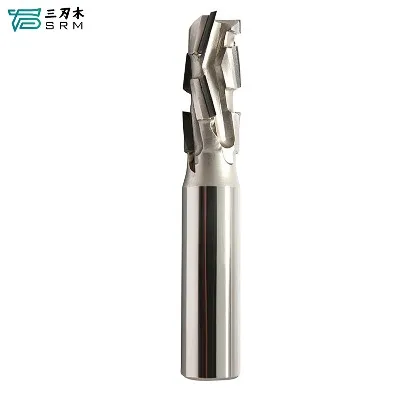
There are different types of TCT router bits available in the market, each designed for specific applications. For example, the Ball Nose Engraving Bit is ideal for creating smooth, rounded contours and detailed engravings. Its unique shape enables it to work on various materials and create intricate designs. The Brazing Blade Straight Router Bit is commonly used for straight cuts and edge profiling. It provides clean and precise cuts, making it a popular choice for many woodworking and other material - cutting tasks. The Spiral Cut Router Bit is designed to move chips upward during the cutting process, which helps to keep the cutting area clean and reduces the risk of clogging.
Properties of Styrofoam
Styrofoam, also known as expanded polystyrene (EPS), is a lightweight and rigid foam material. It is made up of small beads of polystyrene that are expanded and fused together. Styrofoam has several characteristics that make it a popular choice in various industries. It is highly insulating, which makes it suitable for use in packaging and construction. It is also very lightweight, which makes it easy to handle and transport.


However, styrofoam has some properties that can pose challenges during the cutting process. It is a soft material, and its structure is porous. When cutting styrofoam, it can easily break or crumble, resulting in rough edges and an uneven surface finish. Additionally, styrofoam generates a large amount of fine dust during cutting, which can be a health hazard if inhaled.
Advantages of Using TCT Router Bits for Cutting Styrofoam
- Durability: TCT router bits are highly durable due to their tungsten carbide tips. When cutting styrofoam, although it is a soft material, the router bit may still encounter some abrasive particles or debris in the styrofoam. The hard tungsten carbide tips can resist wear and tear, ensuring that the bit maintains its cutting performance over a long period. This means that you won't have to replace the bit frequently, which can save you time and money in the long run.
- Precision Cutting: TCT router bits are designed to provide precise cuts. Their sharp edges can cut through styrofoam cleanly, minimizing the chances of the material breaking or crumbling. This is especially important when you need to create detailed shapes or accurate dimensions in the styrofoam. For example, if you are making architectural models or decorative elements from styrofoam, the precision of TCT router bits can help you achieve the desired results.
- Versatility: As mentioned earlier, there are different types of TCT router bits available. You can choose the appropriate bit depending on the specific cutting task you need to perform on the styrofoam. Whether you need to make straight cuts, create curves, or engrave patterns, there is a TCT router bit that can meet your requirements.
Challenges of Using TCT Router Bits for Cutting Styrofoam
- Dust Generation: Styrofoam generates a large amount of fine dust during cutting. This dust can accumulate on the TCT router bit, reducing its cutting efficiency. The dust can also clog the flutes of the bit, preventing proper chip evacuation. To mitigate this issue, it is essential to use a good dust collection system when cutting styrofoam with TCT router bits.
- Soft Material Compatibility: While TCT router bits are excellent for cutting hard materials, styrofoam is a very soft material. In some cases, the high - speed rotation and sharpness of the TCT router bit may cause the styrofoam to melt or burn slightly, especially if the cutting speed is too high. This can result in a poor surface finish and may even damage the styrofoam. To avoid this, it is important to adjust the cutting speed and feed rate appropriately.
Tips for Using TCT Router Bits to Cut Styrofoam
- Choose the Right Bit: Select a TCT router bit with a suitable design for the styrofoam cutting task. For example, a spiral cut router bit can be a good choice as it helps to evacuate the dust and chips more effectively.
- Adjust Cutting Parameters: Set the appropriate cutting speed and feed rate. A slower cutting speed and a moderate feed rate can help prevent melting or burning of the styrofoam. You may need to experiment a bit to find the optimal settings for your specific router and styrofoam material.
- Use a Dust Collection System: As mentioned earlier, dust generation is a significant issue when cutting styrofoam. A good dust collection system can help keep the work area clean and prevent the dust from affecting the performance of the TCT router bit.
Conclusion
In conclusion, TCT router bits can be a good choice for cutting styrofoam, but they come with both advantages and challenges. Their durability, precision cutting ability, and versatility make them suitable for many styrofoam cutting applications. However, the issues of dust generation and soft - material compatibility need to be addressed properly.
If you are in the market for high - quality TCT router bits for cutting styrofoam or other materials, we are here to help. Our wide range of TCT router bits, including the Ball Nose Engraving Bit, Brazing Blade Straight Router Bit, and Spiral Cut Router Bit, are designed to meet your specific needs. Contact us to discuss your requirements and explore how our TCT router bits can enhance your cutting operations.
References
- "Woodworking with Router Bits" - A comprehensive guide on router bit applications and best practices.
- "Properties and Applications of Expanded Polystyrene" - A research paper on the characteristics and uses of styrofoam.


