








Can a spiral cutterhead be used in a wet cutting environment?
As a supplier of spiral cutterheads, I often receive inquiries from customers about the suitability of our products in various cutting environments, especially wet cutting. This blog aims to provide a detailed analysis of whether a spiral cutterhead can be used in a wet cutting environment, considering factors such as material properties, design features, and potential challenges.
Understanding Spiral Cutterheads
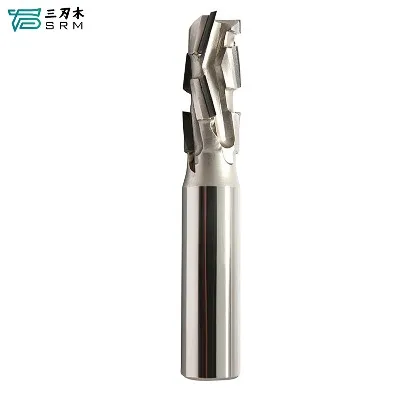
Spiral cutterheads are widely used in woodworking and other cutting applications due to their superior cutting performance. They consist of multiple small cutting inserts arranged in a spiral pattern around the cutterhead body. This design offers several advantages, including smoother cuts, reduced vibration, and longer tool life compared to traditional straight cutterheads.
The cutting inserts used in spiral cutterheads are typically made of carbide, a hard and wear - resistant material. Carbide inserts can withstand high cutting forces and maintain their sharpness for an extended period, making them suitable for a variety of cutting tasks.
Factors Affecting the Use of Spiral Cutterheads in Wet Cutting
Material Compatibility
One of the primary concerns when using a spiral cutterhead in a wet cutting environment is the compatibility of the cutterhead materials with water. Carbide inserts are generally resistant to corrosion, but the cutterhead body, which is often made of steel or aluminum, may be susceptible to rust and corrosion when exposed to water for an extended period.
Steel cutterhead bodies can rust if not properly protected. Rust can weaken the structure of the cutterhead, leading to reduced performance and potentially causing the inserts to become loose. Aluminum, on the other hand, forms a thin oxide layer when exposed to air, which provides some protection against corrosion. However, prolonged exposure to water can still cause pitting and other forms of corrosion.
Lubrication and Cooling
In a wet cutting environment, water can act as a lubricant and coolant. This can be beneficial as it helps to reduce friction between the cutting inserts and the workpiece, which in turn can extend the tool life and improve the quality of the cut. The water also helps to remove chips from the cutting area, preventing them from accumulating and causing damage to the cutterhead.
However, the presence of water can also introduce some challenges. If the water contains contaminants such as dirt, debris, or chemicals, it can cause abrasion to the cutting inserts and the cutterhead body. Additionally, the water may need to be properly filtered and maintained to ensure its effectiveness as a lubricant and coolant.
Design Considerations
The design of the spiral cutterhead can also affect its performance in a wet cutting environment. For example, the sealing of the cutterhead is crucial to prevent water from entering the internal components. A well - sealed cutterhead can protect the bearings and other moving parts from water damage.
Some spiral cutterheads are designed with special coatings or treatments to enhance their resistance to corrosion. These coatings can provide an additional layer of protection for the cutterhead body and the cutting inserts, making them more suitable for wet cutting applications.
Advantages of Using Spiral Cutterheads in Wet Cutting
Improved Cutting Quality
As mentioned earlier, water can act as a lubricant and coolant, which can result in smoother cuts and reduced heat generation. This can be particularly beneficial when cutting materials that are prone to burning or melting, such as certain types of plastics. The reduced heat also helps to prevent the cutting inserts from becoming dull quickly, ensuring a consistent cutting performance over time.
Extended Tool Life
The lubricating and cooling properties of water can significantly extend the tool life of the spiral cutterhead. By reducing friction and heat, the cutting inserts are less likely to wear out prematurely. This can result in cost savings for the user, as they do not need to replace the cutterhead or the inserts as frequently.
Challenges and Solutions
Corrosion
To address the issue of corrosion, proper maintenance and protection are essential. Regular cleaning and drying of the cutterhead after use can help to prevent rust and corrosion. Applying a corrosion - resistant coating to the cutterhead body can also provide an additional layer of protection.
Contamination
To prevent contamination of the water used in wet cutting, a filtration system can be installed. This can help to remove dirt, debris, and other contaminants from the water, ensuring that it remains clean and effective as a lubricant and coolant.
Product Recommendations
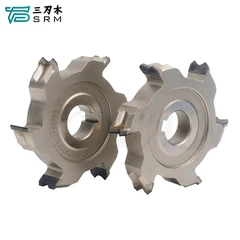
If you are considering using a spiral cutterhead in a wet cutting environment, we recommend our Rabbeting Cutter Heads with 40mm Profile Knives. These cutterheads are designed with high - quality carbide inserts and a corrosion - resistant body, making them suitable for wet cutting applications.


Our Planer Cutterhead is also a great option for wet cutting. It features a robust design and excellent cutting performance, ensuring smooth and precise cuts even in wet conditions.
For those looking for cutter heads specifically for rabbeting in wet environments, our Cutter Heads for Rabbeting are a perfect choice. They are designed to provide accurate and efficient rabbeting cuts, with the durability to withstand wet cutting conditions.
Conclusion
In conclusion, a spiral cutterhead can be used in a wet cutting environment, but it requires careful consideration of several factors. The material compatibility, lubrication and cooling, and design of the cutterhead all play important roles in determining its performance in wet cutting.
With proper maintenance and the right product selection, a spiral cutterhead can offer significant advantages in wet cutting applications, including improved cutting quality and extended tool life.
If you are interested in purchasing spiral cutterheads for your wet cutting needs, please feel free to contact us for more information and to discuss your specific requirements. We are committed to providing high - quality products and excellent customer service to meet your cutting needs.
References
- Woodworking Machinery Handbook, [Publisher Name], [Year]
- Cutting Tool Engineering, various issues


