



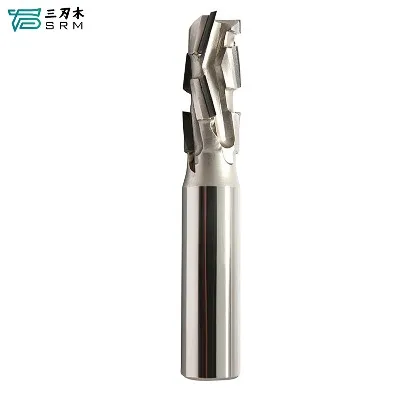

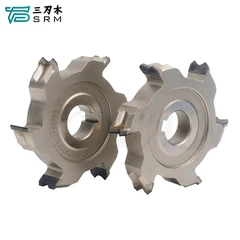







The shape of the teeth on a scoring saw blade is a critical factor that significantly influences its performance and the quality of the cuts it makes. As a supplier of Scoring Saw Blade, I have witnessed firsthand how different tooth shapes can make a world of difference in various cutting applications.
Understanding the Basics of Tooth Shapes
To begin with, let's explore the fundamental tooth shapes commonly found on scoring saw blades. The most common tooth shapes include flat top grind (FTG), alternate top bevel (ATB), and triple chip grind (TCG). Each shape has its own unique characteristics and is designed for specific cutting tasks.
The flat top grind (FTG) teeth are flat on the top and have a square edge. This tooth shape is ideal for making clean, straight cuts in materials such as plywood, particleboard, and MDF. The flat top design provides a large cutting surface, which helps to prevent chipping and splintering, resulting in a smooth and precise cut.


The alternate top bevel (ATB) teeth have a beveled edge on the top of each tooth, alternating in direction. This tooth shape is commonly used for cutting softwoods, hardwoods, and laminates. The beveled edge helps to shear through the material, reducing tear-out and providing a clean, sharp cut.
The triple chip grind (TCG) teeth have a unique three-chip design, with a large center chip flanked by two smaller chips on either side. This tooth shape is ideal for cutting abrasive materials such as fiberglass, plastics, and non-ferrous metals. The TCG design helps to break up the material into smaller chips, reducing heat and wear on the blade, and providing a clean, smooth cut.
Impact on Cutting Performance
The shape of the teeth on a scoring saw blade has a direct impact on its cutting performance. A blade with the right tooth shape can make the cutting process faster, easier, and more efficient, while a blade with the wrong tooth shape can result in poor cutting quality, increased wear and tear, and even damage to the blade.
For example, if you are cutting a softwood such as pine, an ATB tooth shape would be the best choice. The beveled edge of the ATB teeth helps to shear through the softwood fibers, reducing tear-out and providing a clean, sharp cut. On the other hand, if you are cutting a hardwood such as oak, a TCG tooth shape would be more suitable. The TCG design helps to break up the dense hardwood fibers, reducing heat and wear on the blade, and providing a clean, smooth cut.
In addition to the tooth shape, the number of teeth on a scoring saw blade also plays a crucial role in its cutting performance. Generally, a blade with more teeth will provide a smoother cut, while a blade with fewer teeth will cut faster. However, the number of teeth also depends on the type of material being cut and the desired cutting speed.
Influence on Cutting Quality
The shape of the teeth on a scoring saw blade also has a significant influence on the quality of the cuts it makes. A blade with the right tooth shape can produce clean, precise cuts with minimal chipping and splintering, while a blade with the wrong tooth shape can result in rough, uneven cuts with excessive chipping and splintering.
For example, if you are cutting a laminate material, a flat top grind (FTG) tooth shape would be the best choice. The flat top design provides a large cutting surface, which helps to prevent chipping and splintering, resulting in a smooth and precise cut. On the other hand, if you are cutting a fiberglass material, a triple chip grind (TCG) tooth shape would be more suitable. The TCG design helps to break up the abrasive fiberglass fibers, reducing heat and wear on the blade, and providing a clean, smooth cut.
In addition to the tooth shape, the sharpness of the teeth also plays a crucial role in the quality of the cuts. A sharp blade will cut more easily and produce a cleaner, smoother cut, while a dull blade will require more force to cut and can result in rough, uneven cuts.
Considerations for Different Applications
When choosing a scoring saw blade, it is important to consider the specific application and the type of material being cut. Different tooth shapes are designed for different types of materials and cutting tasks, so it is essential to choose the right blade for the job.
For example, if you are cutting a thin sheet of plywood, a blade with a high tooth count and a flat top grind (FTG) tooth shape would be the best choice. The high tooth count will provide a smooth, precise cut, while the flat top design will help to prevent chipping and splintering. On the other hand, if you are cutting a thick piece of hardwood, a blade with a lower tooth count and a triple chip grind (TCG) tooth shape would be more suitable. The lower tooth count will cut faster, while the TCG design will help to break up the dense hardwood fibers, reducing heat and wear on the blade.
In addition to the tooth shape and the number of teeth, it is also important to consider the size and diameter of the blade. The size and diameter of the blade will depend on the type of saw you are using and the thickness of the material being cut.
Importance of Tooth Shape in Specific Industries
The shape of the teeth on a scoring saw blade is particularly important in certain industries, such as woodworking, metalworking, and plastics manufacturing. In these industries, the quality of the cuts can have a significant impact on the final product, so it is essential to choose the right blade for the job.
In the woodworking industry, for example, a scoring saw blade with the right tooth shape can make a world of difference in the quality of the cuts. A blade with a flat top grind (FTG) tooth shape is ideal for cutting plywood, particleboard, and MDF, while a blade with an alternate top bevel (ATB) tooth shape is more suitable for cutting softwoods and hardwoods.
In the metalworking industry, a scoring saw blade with a triple chip grind (TCG) tooth shape is commonly used for cutting non-ferrous metals such as aluminum, brass, and copper. The TCG design helps to break up the abrasive metal fibers, reducing heat and wear on the blade, and providing a clean, smooth cut.
In the plastics manufacturing industry, a scoring saw blade with a special tooth shape is often required to cut through plastic materials without melting or deforming them. A blade with a high tooth count and a sharp tooth shape is typically used for cutting plastics, as it provides a clean, precise cut without causing any damage to the material.
Conclusion
In conclusion, the shape of the teeth on a scoring saw blade is a critical factor that significantly influences its performance and the quality of the cuts it makes. As a supplier of Scoring Saw Blade, I understand the importance of choosing the right blade for the job. Whether you are cutting wood, metal, or plastics, there is a scoring saw blade with the right tooth shape for your specific application.
If you are in the market for a scoring saw blade, I encourage you to contact us to discuss your specific needs. Our team of experts can help you choose the right blade for your application and provide you with the information and support you need to make an informed decision. We offer a wide range of Scoring Saw Blades, Diamond Blade for Circular Saw, and Panel Sizing Saw Blade to meet the needs of various industries and applications. Contact us today to learn more about our products and services.
References
- Smith, J. (2018). The Complete Guide to Saw Blades. Woodworking Magazine.
- Johnson, M. (2019). Choosing the Right Saw Blade for Your Project. DIY Network.
- Brown, R. (2020). Tooth Shapes and Their Impact on Saw Blade Performance. Tool Review Blog.


