








Hey there, fellow woodworking enthusiasts! I'm a supplier of Spiral Up Cut Bits, and today I want to dive into how these amazing tools handle different grain directions in wood.
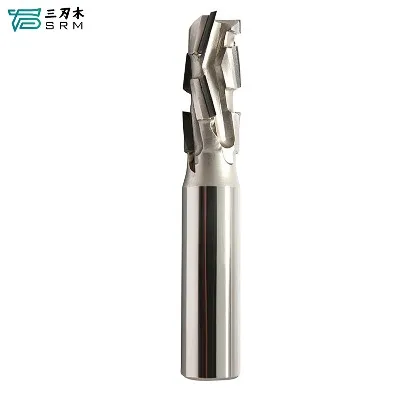
First off, let's talk about what makes Spiral Up Cut Bits so special. These bits have a unique spiral design that helps to lift the chips out of the cut as you're working. This is a huge advantage because it reduces the chances of the chips getting stuck in the cut, which can cause burning and other issues.
Now, when it comes to different grain directions in wood, things can get a bit tricky. Wood has two main grain directions: straight grain and cross grain. Straight grain runs parallel to the length of the board, while cross grain runs perpendicular to it. Each grain direction presents its own challenges when it comes to cutting.
Cutting with Straight Grain
When you're cutting with the straight grain, Spiral Up Cut Bits really shine. The spiral design of the bit allows it to cut smoothly along the grain, pushing the chips up and out of the cut. This results in a clean, precise cut with minimal tear - out.
The reason for this is that the upward spiral motion of the bit follows the natural flow of the wood fibers. As the bit rotates, it grabs the chips and lifts them up, preventing them from clogging the cutting area. This is especially important when you're making long, continuous cuts, like when you're routing a groove or a dado.
For example, if you're using a Spiral Milling Cutter to cut a groove in a piece of straight - grained wood, the upward spiral action will keep the chips flowing out, leaving you with a nice, clean groove.
Dealing with Cross Grain
Cross grain is a different story. When you're cutting across the grain, the wood fibers are being cut at an angle, which can cause tear - out and rough edges. But don't worry, Spiral Up Cut Bits can still handle it pretty well.
The key is to use a bit with the right helix angle. The helix angle of a Spiral Up Cut Bit determines how aggressively the bit cuts and how well it can handle different grain directions. A higher helix angle is better for cutting across the grain because it provides more cutting force and helps to break up the chips more effectively.
When cutting cross grain, the upward spiral motion of the bit still helps to lift the chips out of the cut. However, you may need to take a few extra precautions. For instance, you can use a slower feed rate to give the bit more time to cut through the wood fibers cleanly. You can also make multiple passes with a shallower depth of cut to reduce the stress on the bit and the wood.
Let's say you're using a Ball Nose Router Bit to create a rounded edge on a piece of cross - grained wood. By using a bit with a high helix angle and adjusting your cutting parameters, you can achieve a smooth, professional - looking finish.
Cutting Against the Grain
Cutting against the grain is the most challenging of all. This is when the direction of cutting is opposite to the natural flow of the wood fibers. Tear - out is almost inevitable if you're not careful.


Spiral Up Cut Bits can still be used for cutting against the grain, but you need to be extra cautious. Another thing you can do is to use a support piece or a backing board. This helps to prevent the wood fibers from splintering and tearing out as the bit exits the cut.
A Straight Bit with Chip Breaker can be a great choice when cutting against the grain. The chip breaker helps to break up the chips into smaller pieces, which are easier for the upward spiral motion of the bit to lift out.
Factors Affecting Performance
There are a few other factors that can affect how Spiral Up Cut Bits handle different grain directions. One of these is the type of wood you're working with. Hardwoods like oak and maple are denser and have a more pronounced grain pattern compared to softwoods like pine. This means that you may need to adjust your cutting speed and feed rate accordingly.
The sharpness of the bit also plays a crucial role. A dull bit will have a harder time cutting through the wood fibers, especially in challenging grain directions. Make sure to keep your bits sharp by using a proper sharpening tool or sending them out for professional sharpening.
The router you're using is another important factor. A high - quality router with a stable speed and sufficient power will give you better results. It can handle the demands of cutting different grain directions more effectively, especially when using Spiral Up Cut Bits.
Conclusion
In conclusion, Spiral Up Cut Bits are a versatile and powerful tool for woodworking, especially when it comes to handling different grain directions in wood. Whether you're cutting with the straight grain, across the grain, or against the grain, these bits can help you achieve clean, precise cuts with minimal tear - out.
But remember, getting the best results depends on using the right bit for the job, adjusting your cutting parameters, and taking proper precautions. If you're in the market for high - quality Spiral Up Cut Bits or have any questions about how they work with different grain directions, don't hesitate to reach out. We're here to help you make the most of your woodworking projects and ensure that you get the best possible results.
If you're interested in purchasing Spiral Up Cut Bits or have any queries regarding our products, you can start a conversation with our sales team. Let's discuss your specific needs and find the perfect solutions for your woodworking tasks.
References
- Woodworking Basics Handbook
- Guide to Router Bit Selection and Use


