








When it comes to woodworking, especially working with hard woods, the choice of cutting tools is crucial. As a supplier of Spiral Up Cut Bits, I am often asked about how these bits perform on hard woods. In this blog, I will delve into the characteristics of Spiral Up Cut Bits and their performance on hard woods, providing you with valuable insights to make informed decisions for your woodworking projects.
Understanding Spiral Up Cut Bits
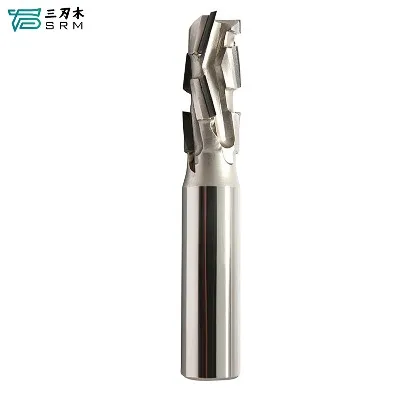
Spiral Up Cut Bits are a type of cutting tool commonly used in woodworking. They feature a spiral flute design that runs in an upward direction. This design allows the bit to pull the chips up and out of the cut, which is particularly beneficial when working with hard woods.
The spiral flute design of Spiral Up Cut Bits offers several advantages. Firstly, it provides a smooth and efficient cutting action. The upward spiral helps to reduce the amount of friction between the bit and the wood, resulting in less heat generation and a cleaner cut. This is especially important when working with hard woods, as excessive heat can cause the wood to burn and the bit to dull quickly.
Secondly, the upward spiral design helps to evacuate the chips from the cut. Hard woods tend to produce larger and more stubborn chips, which can clog the cutting area and affect the performance of the bit. The Spiral Up Cut Bits effectively pull the chips up and out of the cut, preventing chip buildup and ensuring a continuous and smooth cutting process.
Performance on Hard Woods
When it comes to hard woods, Spiral Up Cut Bits excel in several aspects.
Cutting Efficiency
One of the key advantages of Spiral Up Cut Bits on hard woods is their cutting efficiency. The upward spiral design allows the bit to cut through the hard wood with less resistance, resulting in faster cutting speeds. This not only saves time but also reduces the wear and tear on the bit, extending its lifespan.
For example, when working with oak or maple, which are known for their hardness, Spiral Up Cut Bits can cut through the wood more quickly compared to other types of bits. This is because the upward spiral design helps to break up the wood fibers more effectively, making it easier for the bit to penetrate the wood.
Surface Finish
Another important aspect of the performance of Spiral Up Cut Bits on hard woods is the surface finish. The smooth cutting action of the Spiral Up Cut Bits results in a clean and precise cut, leaving a smooth surface on the wood. This is particularly important for projects that require a high level of precision and a professional finish.
When working with hard woods, a rough or uneven surface can be a major issue. The Spiral Up Cut Bits help to minimize this problem by providing a consistent and smooth cutting action. This ensures that the final product has a high-quality surface finish, enhancing its overall appearance.
Chip Evacuation
As mentioned earlier, chip evacuation is a crucial factor when working with hard woods. The Spiral Up Cut Bits are designed to effectively evacuate the chips from the cut, preventing chip buildup and ensuring a continuous cutting process.
In hard woods, the chips tend to be larger and more stubborn, which can easily clog the cutting area. The upward spiral design of the Spiral Up Cut Bits helps to pull the chips up and out of the cut, keeping the cutting area clean and free from debris. This not only improves the performance of the bit but also reduces the risk of damage to the wood.
Comparison with Other Types of Bits
To better understand the performance of Spiral Up Cut Bits on hard woods, it is useful to compare them with other types of bits.
Straight Router Bit
A Straight Router Bit is a common type of cutting tool used in woodworking. While it can be effective for cutting through hard woods, it has some limitations compared to Spiral Up Cut Bits.
The straight flute design of the Straight Router Bit does not provide the same level of chip evacuation as the Spiral Up Cut Bits. This can result in chip buildup and a less efficient cutting process. Additionally, the straight flute design may cause more friction between the bit and the wood, leading to more heat generation and a rougher surface finish.
Roughing End Mill Cutter
A Roughing End Mill Cutter is designed for removing large amounts of material quickly. While it can be effective for roughing out hard woods, it may not provide the same level of precision and surface finish as Spiral Up Cut Bits.
The roughing end mill cutter typically has a more aggressive cutting action, which can result in a rougher surface finish. Additionally, the chip evacuation of the roughing end mill cutter may not be as efficient as that of the Spiral Up Cut Bits, leading to chip buildup and a less smooth cutting process.
Spiral Milling Cutter
A Spiral Milling Cutter is similar to the Spiral Up Cut Bits in terms of the spiral flute design. However, the Spiral Milling Cutter is typically used for more heavy-duty applications, such as milling large pieces of wood.
While the Spiral Milling Cutter can be effective for cutting through hard woods, it may not be as precise as the Spiral Up Cut Bits. The Spiral Up Cut Bits are designed for more detailed and precise cutting, making them a better choice for projects that require a high level of accuracy.


Factors Affecting Performance
Several factors can affect the performance of Spiral Up Cut Bits on hard woods.
Bit Quality
The quality of the Spiral Up Cut Bits is an important factor. High-quality bits are made from durable materials, such as solid carbide, which can withstand the high stresses and pressures of cutting through hard woods. They also have a sharp cutting edge that can maintain its sharpness for a longer period of time, resulting in a more efficient and precise cutting process.
Cutting Speed
The cutting speed is another important factor. When working with hard woods, it is important to use the appropriate cutting speed to ensure a smooth and efficient cutting process. If the cutting speed is too high, it can cause the bit to overheat and dull quickly. If the cutting speed is too low, it can result in a slower cutting process and a rougher surface finish.
Feed Rate
The feed rate is also crucial. The feed rate refers to the speed at which the wood is fed into the bit. When working with hard woods, it is important to use a slower feed rate to allow the bit to cut through the wood more effectively. A too fast feed rate can cause the bit to bind and break, while a too slow feed rate can result in a longer cutting time.
Conclusion
In conclusion, Spiral Up Cut Bits are an excellent choice for working with hard woods. Their upward spiral design provides a smooth and efficient cutting action, resulting in a clean and precise cut. They also offer effective chip evacuation, preventing chip buildup and ensuring a continuous cutting process.
Compared to other types of bits, Spiral Up Cut Bits offer several advantages, including better cutting efficiency, a smoother surface finish, and more effective chip evacuation. However, it is important to consider factors such as bit quality, cutting speed, and feed rate to ensure optimal performance.
If you are looking for high-quality Spiral Up Cut Bits for your woodworking projects, we are here to help. Our Spiral Up Cut Bits are made from the finest materials and are designed to provide exceptional performance on hard woods. Contact us to discuss your specific requirements and let us help you find the perfect cutting tools for your projects.
References
- Woodworking Magazine, "The Ultimate Guide to Cutting Tools for Hard Woods"
- Woodworking Journal, "Spiral Up Cut Bits: A Game-Changer for Hard Woodworking"
- Machinery's Handbook, "Cutting Tools for Woodworking"


