










Hey there, woodworking enthusiasts! I'm a supplier of circular wood saws, and I know how crucial it is to get the cutting depth right. Whether you're a professional carpenter or a DIYer, adjusting the cutting depth of your circular wood saw can make a world of difference in the quality of your work. In this blog post, I'll walk you through the process of adjusting the cutting depth of a circular wood saw, step by step.
Why Adjusting Cutting Depth Matters
Before we dive into the how-to, let's talk about why adjusting the cutting depth is so important. First off, getting the right cutting depth ensures a clean and precise cut. If the blade cuts too deep, it can damage the workpiece or cause splintering. On the other hand, if the blade doesn't cut deep enough, you'll have to make multiple passes, which can be time-consuming and may not give you the smooth finish you're looking for.
Secondly, adjusting the cutting depth can improve safety. When the blade is set to the appropriate depth, there's less risk of kickback, which is a dangerous situation where the saw blade suddenly throws the workpiece back at you.
Tools You'll Need
To adjust the cutting depth of your circular wood saw, you'll need a few basic tools:
- A circular wood saw (obviously!)
- A measuring tape or ruler
- A flathead screwdriver or an Allen wrench, depending on the saw's design
Step-by-Step Guide to Adjusting Cutting Depth
Step 1: Power Off the Saw
Safety first! Before you start making any adjustments, make sure the saw is turned off and unplugged. This will prevent any accidental starts that could cause injury.
Step 2: Locate the Depth Adjustment Mechanism
Most circular wood saws have a depth adjustment lever or knob. This is usually located near the base of the saw, close to the blade. Some saws may require you to use a screwdriver or an Allen wrench to loosen a locking mechanism before you can adjust the depth.
Step 3: Measure the Desired Cutting Depth
Use a measuring tape or ruler to determine the depth you want to cut. For example, if you're cutting a 2x4 board and you want to make a half-inch deep cut, measure half an inch from the bottom of the board.
Step 4: Adjust the Cutting Depth
Once you've determined the desired cutting depth, use the depth adjustment lever or knob to raise or lower the blade. As you adjust the blade, keep an eye on the measuring tape or ruler to make sure you're getting the right depth.
Step 5: Lock the Blade in Place
After you've adjusted the blade to the desired depth, make sure to lock it in place. This will prevent the blade from moving during the cutting process. If your saw has a locking mechanism, use the screwdriver or Allen wrench to tighten it.
Step 6: Test the Cutting Depth
Before you start cutting your workpiece, it's a good idea to test the cutting depth on a scrap piece of wood. This will allow you to make any final adjustments if necessary.
Tips for Adjusting Cutting Depth
- Use a sharp blade: A dull blade can make it difficult to get a clean cut, even if the cutting depth is set correctly. Make sure to use a sharp blade for the best results.
- Take your time: Adjusting the cutting depth requires precision, so take your time and make sure you're getting the right depth. Rushing through the process can lead to mistakes and poor-quality cuts.
- Refer to the saw's manual: If you're unsure how to adjust the cutting depth of your saw, refer to the manufacturer's manual. The manual will provide detailed instructions on how to make the adjustment.
Different Types of Circular Wood Saw Blades
As a circular wood saw supplier, I offer a variety of saw blades to meet different cutting needs. Here are some of the most common types of circular wood saw blades:


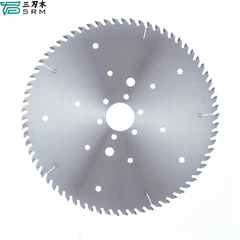
- Panel Sizing Saw Blade: This type of blade is designed for cutting large panels of wood, such as plywood or particleboard. It has a large number of teeth and a thin kerf, which allows for a smooth and precise cut.
- Grooving Saw Blade: A grooving saw blade is used to cut grooves or channels in wood. It has a narrow blade with a special tooth design that allows it to cut cleanly and accurately.
- Solid Wood Saw Blade: This type of blade is designed for cutting solid wood, such as lumber or hardwood. It has a larger tooth size and a thicker blade, which makes it more suitable for cutting through thick pieces of wood.
Conclusion
Adjusting the cutting depth of a circular wood saw is a simple but important process that can improve the quality of your work and enhance safety. By following the steps outlined in this blog post, you'll be able to adjust the cutting depth of your saw with ease.
If you're in the market for a circular wood saw or saw blades, I'd love to help. We offer a wide range of high-quality products at competitive prices. Just reach out to us, and we'll be happy to discuss your needs and provide you with a quote.
References
- Woodworking magazines and online resources
- Manufacturer's manuals for circular wood saws


