







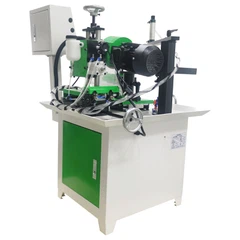

Hey there! I'm a supplier of Compression Bits, and today I wanna chat about the role of compression bits in edge computing. It's a topic that's been getting a lot of buzz lately, and I'm excited to share my thoughts on it.
First off, let's talk about what compression bits are. Compression bits are essentially tools used in various machining processes. They're designed to cut, shape, and form materials with precision. In the context of edge computing, though, we're looking at a different kind of compression - data compression.
Edge computing is all about processing data closer to the source, rather than sending it all the way to a central data center. This reduces latency, saves bandwidth, and can improve the overall efficiency of a system. And that's where compression bits come in.
Data compression is a crucial part of edge computing. When you're dealing with large amounts of data at the edge, you need to be able to transmit and store it efficiently. Compression bits can help with that. By compressing data, you can reduce its size without losing too much information. This means you can send more data over a limited bandwidth, or store more data in a smaller space.
Let's take a look at some specific ways compression bits play a role in edge computing.
1. Bandwidth Optimization
One of the biggest challenges in edge computing is dealing with limited bandwidth. When you have a lot of devices generating data at the edge, sending all that data back to a central server can quickly saturate the network. Compression bits can help by reducing the amount of data that needs to be transmitted.
For example, let's say you have a smart sensor network in a factory. These sensors are constantly collecting data about temperature, pressure, and other variables. Without compression, sending all this data over the network could be a real pain. But by using compression bits, you can compress the data before sending it, reducing the amount of bandwidth required.
2. Storage Efficiency
Another important aspect of edge computing is storage. When you're processing data at the edge, you need to be able to store it locally. Compression bits can help by reducing the amount of storage space required.
Let's say you have a security camera system at the edge. These cameras are recording video 24/7, generating a huge amount of data. Without compression, storing all this video would require a massive amount of storage space. But by using compression bits, you can compress the video data, reducing the amount of storage space needed.
3. Real - Time Processing
In edge computing, real - time processing is often a requirement. You need to be able to analyze data quickly and make decisions on the fly. Compression bits can help with this by reducing the amount of data that needs to be processed.
For example, in a self - driving car, there are multiple sensors collecting data about the environment. By compressing this data using compression bits, the car's onboard computer can process it more quickly, allowing for faster decision - making.
Now, let's talk about the types of compression bits that are relevant in edge computing. There are different types of compression algorithms, and each has its own advantages and disadvantages.
Some common types of compression algorithms include lossless compression and lossy compression. Lossless compression algorithms, as the name suggests, compress data without losing any information. This is great for applications where data integrity is crucial, such as financial transactions or medical records.


On the other hand, lossy compression algorithms sacrifice some data quality in order to achieve higher compression ratios. This is often used in applications where a small loss of data is acceptable, such as video streaming or image compression.
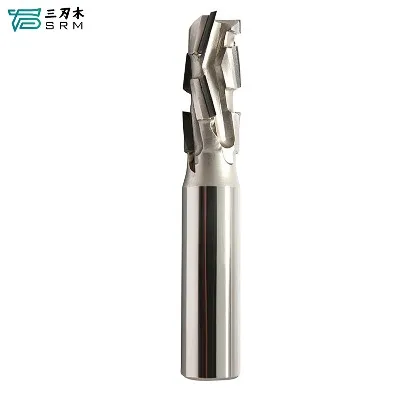
As a Compression Bits supplier, I offer a range of products that can be used in edge computing applications. For example, we have Lock Hole Router Bit, which is designed for precise cutting in various materials. This can be useful in the manufacturing of edge computing devices.
We also have Ball Nose Router Bit, which is great for creating smooth, curved surfaces. This can be used in the design and production of edge computing hardware.
And our Roughing End Mill Cutter is perfect for quickly removing large amounts of material, which can be useful in the initial stages of manufacturing edge computing components.
In conclusion, compression bits play a vital role in edge computing. They help optimize bandwidth, improve storage efficiency, and enable real - time processing. If you're involved in edge computing and are looking for high - quality compression bits, I'd love to have a chat with you. Whether you're a manufacturer, a developer, or just someone interested in the technology, I'm here to help. Reach out to me, and we can discuss your specific needs and how my products can fit into your edge computing solutions.
References:
- "Edge Computing: Vision and Challenges" by Satya Narayana Srirama, et al.
- "Data Compression: The Complete Reference" by Mark Nelson.


