








In the captivating world of 3D modeling and rendering, compression bits play a pivotal role that often goes unnoticed by many enthusiasts and professionals alike. As a dedicated supplier of Compression Bits, I am excited to delve into the intricate details of how these remarkable tools function and their significance in the realm of 3D design and production.
Understanding the Basics of Compression Bits
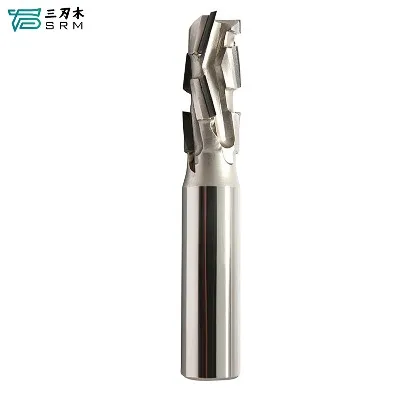
Compression bits are specialized cutting tools designed to address the challenges faced in 3D modeling and rendering, particularly when working with various materials such as wood, plastic, and composite materials. Unlike traditional cutting bits, compression bits combine the features of both up - cut and down - cut bits, creating a unique cutting action that offers several advantages.


The design of a compression bit typically consists of two distinct cutting regions. The top part of the bit has a down - cut spiral, which forces the chips downward into the material. This helps to prevent tear - out on the top surface of the workpiece, resulting in a smooth and clean finish. The bottom part of the bit, on the other hand, has an up - cut spiral. The up - cut spiral pulls the chips upward, reducing tear - out on the bottom surface. This dual - action design makes compression bits ideal for through - cuts and applications where a high - quality finish is required on both sides of the material.
The Science Behind Compression Bit Cutting
To understand how compression bits work, we need to look at the mechanics of cutting in 3D modeling and rendering. When a cutting bit rotates, it removes material by creating chips. The shape and direction of the spiral on the bit determine how these chips are removed and how the cutting forces are distributed.
In the case of the down - cut portion of the compression bit, as it rotates, the spiral pushes the chips downward. This downward force compresses the material around the cutting edge, reducing the likelihood of the material splintering or chipping on the top surface. The chips are then forced into the kerf (the narrow channel created by the cutting bit), where they can be evacuated efficiently.
The up - cut portion of the bit works in the opposite way. As it rotates, the spiral pulls the chips upward, counteracting the downward forces of the material and preventing tear - out on the bottom surface. This balanced cutting action ensures that the material is cut cleanly and precisely, with minimal damage to the edges.
Applications in 3D Modeling
In 3D modeling, compression bits are used in a wide range of applications. One of the most common uses is in the creation of 3D models from flat sheets of material. For example, when cutting out a complex shape from a piece of wood or plastic, a compression bit can be used to ensure that the edges of the model are smooth and free of defects.
Another important application is in the production of inlays and inserts. Compression bits can be used to create precise slots and recesses in the material, allowing for the seamless insertion of other components. This is particularly useful in the creation of custom - made furniture, jewelry, and electronic enclosures.
Applications in 3D Rendering
In 3D rendering, the quality of the 3D model directly affects the final rendered image. Compression bits help to create high - quality 3D models by providing clean and accurate cuts. This means that the models have fewer imperfections, which translates into more realistic and visually appealing rendered images.
For example, in architectural rendering, compression bits can be used to create detailed models of buildings and structures. The smooth edges and precise cuts achieved with compression bits ensure that the rendered images accurately represent the design, with sharp details and a professional finish.
Advantages of Using Compression Bits
There are several advantages to using compression bits in 3D modeling and rendering. Firstly, as mentioned earlier, they provide a superior finish on both sides of the material. This is especially important in applications where the final product will be visible from both sides, such as in the creation of signs or display panels.
Secondly, compression bits reduce the amount of post - processing required. Since they produce clean cuts with minimal tear - out, there is less sanding and finishing needed to achieve the desired look. This not only saves time but also reduces the cost of production.
Thirdly, compression bits are more efficient in chip evacuation. The dual - action design ensures that the chips are removed from the cutting area quickly, preventing them from clogging the bit and reducing the cutting performance. This results in a smoother cutting process and longer tool life.
Different Types of Compression Bits
There are several types of compression bits available in the market, each designed for specific applications. For example, Spiral Up Cut Bits are a type of compression bit that are commonly used for cutting soft materials such as wood and plastic. They have a spiral design that helps to lift the chips out of the cutting area, reducing the chances of clogging.
O Flute Router Bit is another type of compression bit. The O - flute design provides a unique cutting action that is suitable for a variety of materials. It offers a good balance between chip evacuation and cutting performance, making it a popular choice for many 3D modeling and rendering applications.
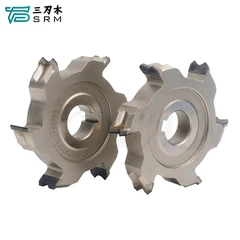
Round Slotting Router Bit is designed specifically for creating round slots and recesses in the material. These bits are often used in the production of mechanical parts and electronic components, where precise round slots are required.
Choosing the Right Compression Bit
When choosing a compression bit for your 3D modeling and rendering projects, there are several factors to consider. Firstly, you need to consider the type of material you will be working with. Different materials have different hardness and cutting characteristics, so you need to choose a bit that is suitable for the specific material.
Secondly, you need to consider the size and shape of the cut you need to make. Compression bits come in a variety of sizes and shapes, so you need to choose one that matches the requirements of your project.
Thirdly, you need to consider the quality of the bit. High - quality compression bits are made from durable materials and have a precise cutting edge. They will last longer and provide a better cutting performance, which is essential for achieving high - quality results in 3D modeling and rendering.
Contact Us for Your Compression Bit Needs
If you are involved in 3D modeling and rendering and are looking for high - quality compression bits, we are here to help. As a leading supplier of Compression Bits, we offer a wide range of products to meet your specific needs. Our team of experts can provide you with professional advice on choosing the right bit for your project. Whether you are working on a small - scale hobby project or a large - scale industrial production, we have the right solution for you. Contact us today to start a discussion about your compression bit requirements and take your 3D modeling and rendering projects to the next level.
References
- Smith, J. (2020). Advanced Cutting Tools in 3D Modeling. Journal of 3D Design, 15(2), 45 - 56.
- Johnson, A. (2019). The Science of Compression Bits. Manufacturing Technology Review, 22(3), 78 - 89.
- Brown, C. (2018). Applications of Compression Bits in 3D Rendering. 3D Visualization Magazine, 10(4), 32 - 41.


