








How do I choose the right flute design for acrylic router bits?
As a seasoned supplier of Acrylic Router Bits, I've witnessed firsthand the pivotal role that flute design plays in achieving optimal results when working with acrylic materials. In this blog post, I'll share my insights on how to choose the right flute design for your specific needs, and why it matters.
Understanding the Basics of Flute Design
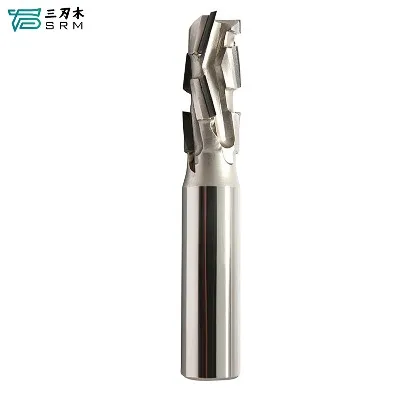
Before delving into the selection process, it's essential to understand the fundamental concepts of flute design. Flutes are the spiral grooves cut into the body of a router bit, and they serve several crucial functions. Firstly, they help to remove the chips and debris generated during the cutting process, preventing them from clogging the bit and causing overheating. Secondly, they influence the surface finish of the cut, with different flute designs producing varying levels of smoothness and precision.
There are three main types of flute designs commonly used in acrylic router bits: single flute, double flute, and multi-flute. Each type has its unique characteristics and advantages, making them suitable for different applications and cutting requirements.
Single Flute Router Bits
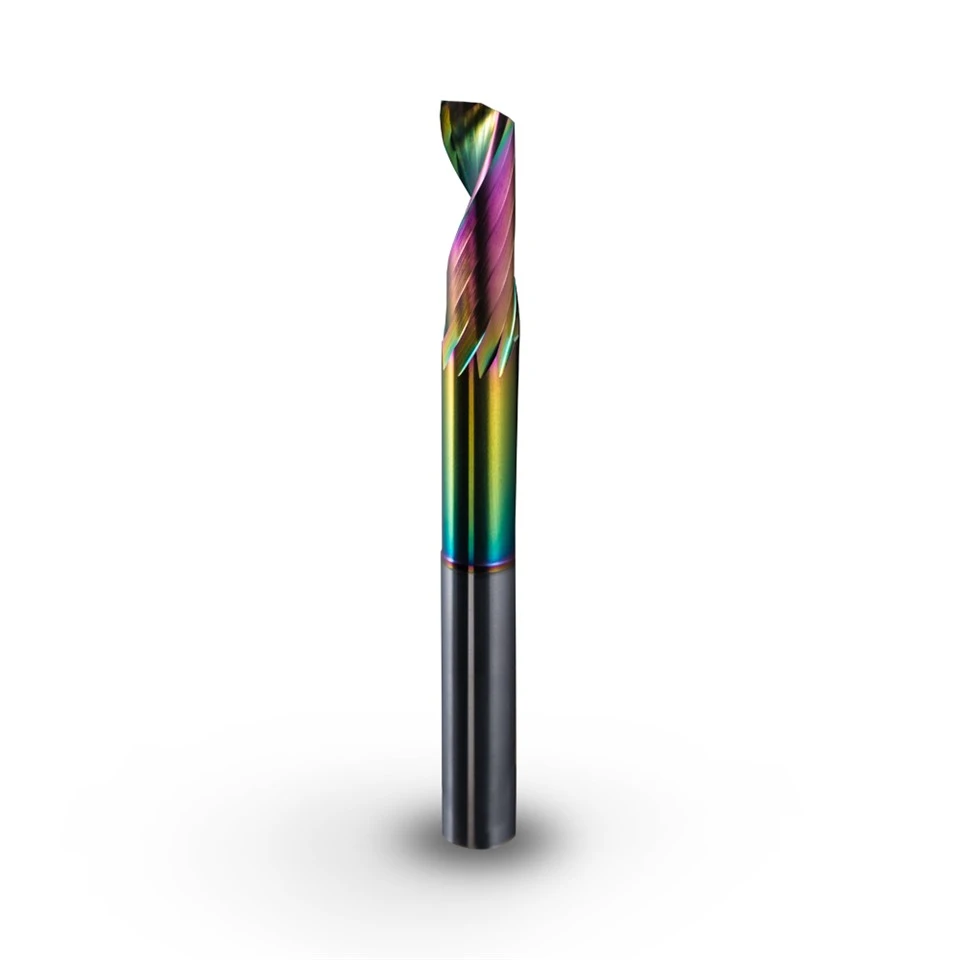
Single flute router bits are characterized by a single spiral groove running along the length of the bit. These bits are known for their aggressive cutting action and high chip evacuation capabilities, making them ideal for rough cutting and rapid material removal. The single flute design allows for a larger chip load, which means that the bit can remove more material in a single pass, resulting in faster cutting speeds.
One of the key benefits of single flute router bits is their ability to produce a smooth and clean cut on the bottom surface of the acrylic material. This is because the single flute design creates a shearing action that helps to break the chips into small pieces, reducing the likelihood of tear-out and leaving a polished finish. However, single flute bits may not be the best choice for applications that require a high level of precision or a smooth finish on the top surface of the material, as they can sometimes leave a slightly rough or textured finish.

Double Flute Router Bits
Double flute router bits feature two spiral grooves running parallel to each other along the length of the bit. These bits offer a good balance between cutting speed and surface finish, making them a versatile choice for a wide range of applications. The double flute design provides increased stability and cutting efficiency, as the two flutes work together to remove the chips and debris more effectively.
One of the main advantages of double flute router bits is their ability to produce a smooth and consistent finish on both the top and bottom surfaces of the acrylic material. The two flutes create a more balanced cutting action, reducing the likelihood of tear-out and producing a cleaner, more professional-looking cut. Double flute bits are also well-suited for applications that require a moderate level of precision, such as edge profiling and inlay work.
Multi-Flute Router Bits
Multi-flute router bits are designed with three or more spiral grooves, offering even greater cutting efficiency and surface finish than single or double flute bits. These bits are typically used for applications that require a high level of precision and a smooth, polished finish, such as engraving, fine detailing, and high-speed machining.
The multi-flute design allows for a smaller chip load, which means that the bit can remove material more gradually, resulting in a smoother and more precise cut. The additional flutes also help to distribute the cutting forces evenly across the bit, reducing the risk of vibration and chatter, and improving the overall stability and performance of the tool. However, multi-flute router bits may have a slower cutting speed compared to single or double flute bits, as they are designed to remove material more slowly and precisely.
Factors to Consider When Choosing the Right Flute Design
When choosing the right flute design for your acrylic router bits, there are several factors that you need to consider. These include the type of acrylic material you are working with, the thickness of the material, the cutting application, and your desired surface finish.
- Type of Acrylic Material: Different types of acrylic materials have different properties and characteristics, which can affect the performance of the router bit. For example, cast acrylic is generally softer and more brittle than extruded acrylic, and may require a different flute design to achieve the best results. It's important to choose a flute design that is specifically designed for the type of acrylic material you are working with.
- Thickness of the Material: The thickness of the acrylic material also plays a role in determining the appropriate flute design. Thicker materials typically require a more aggressive flute design, such as a single flute bit, to ensure efficient chip evacuation and prevent clogging. Thinner materials, on the other hand, may benefit from a multi-flute design, which can provide a smoother and more precise cut.
- Cutting Application: The specific cutting application will also influence your choice of flute design. For example, if you are performing rough cutting or rapid material removal, a single flute bit may be the best choice. If you are doing edge profiling or inlay work, a double flute bit may be more suitable. And if you are working on engraving or fine detailing, a multi-flute bit may be required to achieve the desired level of precision.
- Desired Surface Finish: Finally, the desired surface finish of the cut is an important consideration when choosing the right flute design. If you are looking for a smooth and polished finish, a multi-flute bit may be the best option. If you are willing to sacrifice some surface finish for faster cutting speeds, a single or double flute bit may be more appropriate.
Other Considerations
In addition to flute design, there are several other factors that you should consider when choosing acrylic router bits. These include the bit diameter, the shank size, the coating material, and the brand and quality of the bit.
- Bit Diameter: The diameter of the router bit will determine the size of the cut and the amount of material that can be removed in a single pass. It's important to choose a bit diameter that is appropriate for the size of the project and the type of cutting you are doing.
- Shank Size: The shank size of the router bit refers to the diameter of the part of the bit that fits into the router collet. It's important to choose a bit with a shank size that is compatible with your router.
- Coating Material: Some router bits are coated with a special material, such as titanium nitride (TiN) or diamond-like carbon (DLC), to improve their performance and durability. These coatings can reduce friction, increase wear resistance, and extend the life of the bit.
- Brand and Quality: Finally, it's important to choose a high-quality router bit from a reputable brand. A good quality bit will be made from high-grade materials, have a precise cutting edge, and be designed to last.
Conclusion
Choosing the right flute design for your acrylic router bits is essential for achieving optimal results when working with acrylic materials. By understanding the different types of flute designs and the factors that influence their performance, you can make an informed decision and select the bit that is best suited for your specific needs.
If you have any questions or need further assistance in choosing the right acrylic router bits for your project, please don't hesitate to contact us. We are a leading supplier of Acrylic Router Bits, Compression Bits, and Aluminum Router Bit, and our team of experts is always available to help you find the right tools for the job.
References
- "Router Bit Basics: Understanding Flute Design." Woodworking Network, [Date Accessed]
- "Choosing the Right Router Bit for Acrylic." In The Loupe, [Date Accessed]
- "Flute Design: How It Affects Router Bit Performance." Fine Woodworking, [Date Accessed]


